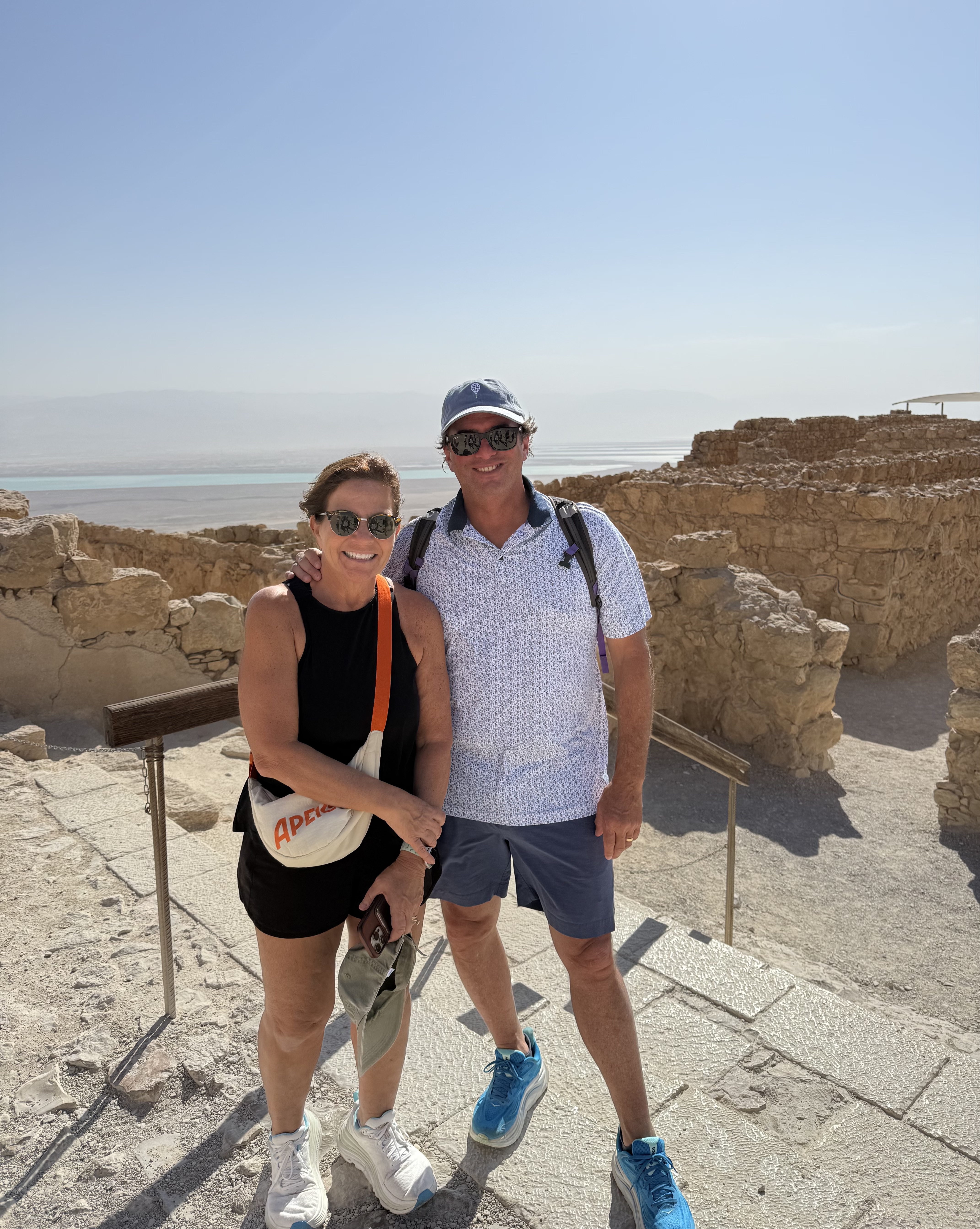
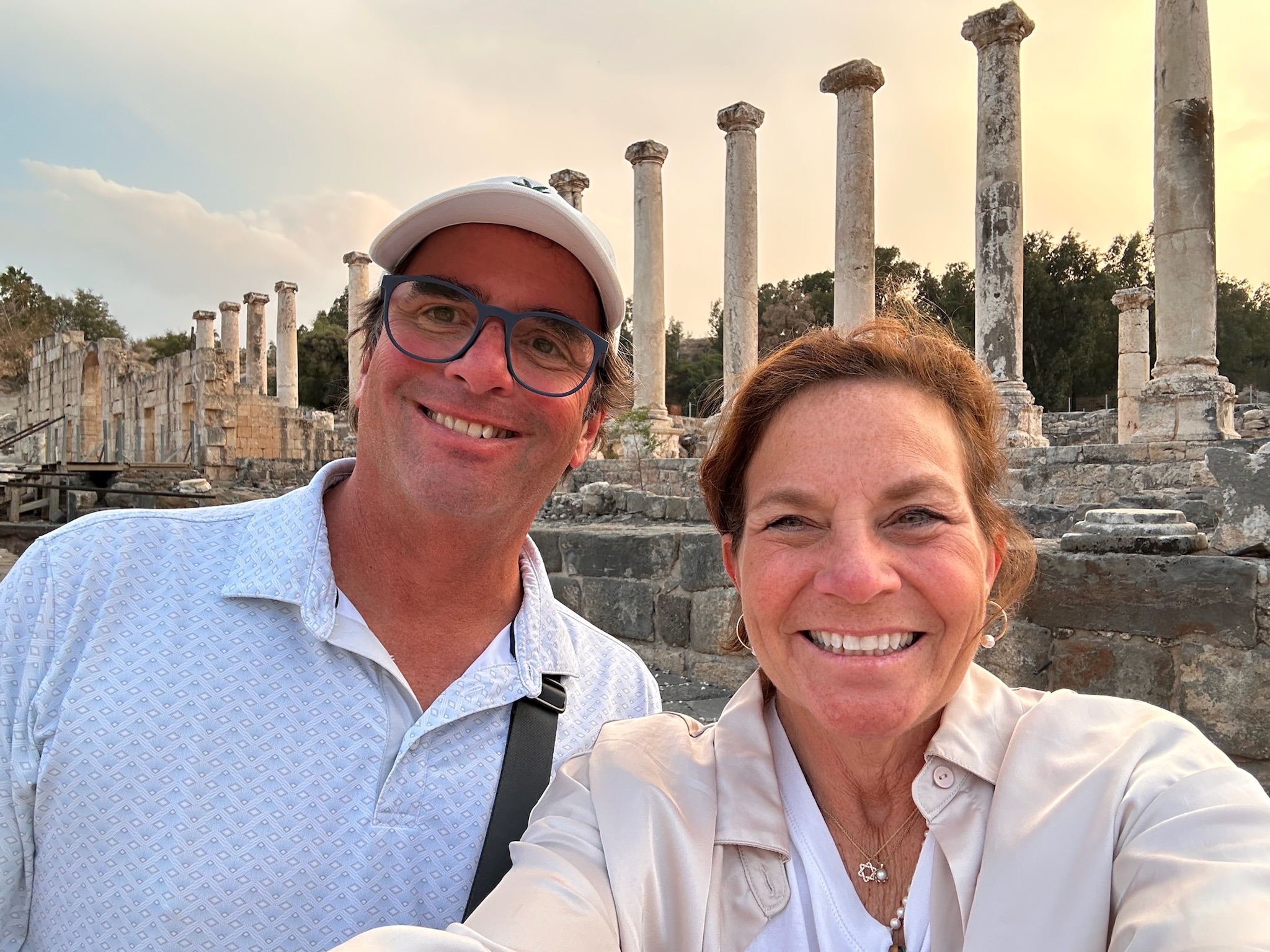
We were itching for another getaway for this newly retired guy and my not-so-newly retired wife, Geri, to kick off the next stage of our adventure together. While we discussed the possibilities of various destinations on our list of places to which we wanted travel (there are many), we kept coming back to the one that pulled at our hearts like none of the others: Israel. Why Israel? I could go into the cultural and religious aspects, or the countervailing political aspect, of our thought process, but ultimately, the decision came down to emotions. Of course it should be Israel, because although both of us had visited there while in high school and thought we would return soon and repeatedly, life, work, family, etc. had intervened, and we had many lost trips to make up. Of course it should be Israel, because of the pogrom of October 7 and the rising antisemitism that has made us ever so much more attuned to our Jewishness and our Israeli brethren. And of course it should be Israel, because just the thought of stepping off the plane onto Eretz Yisrael (literally “the land” of Israel) had us, to quote Mike Myers, kvelling. Thus, for this iteration of our Semester Abroad, we embarked on a six week journey to Tel Aviv.
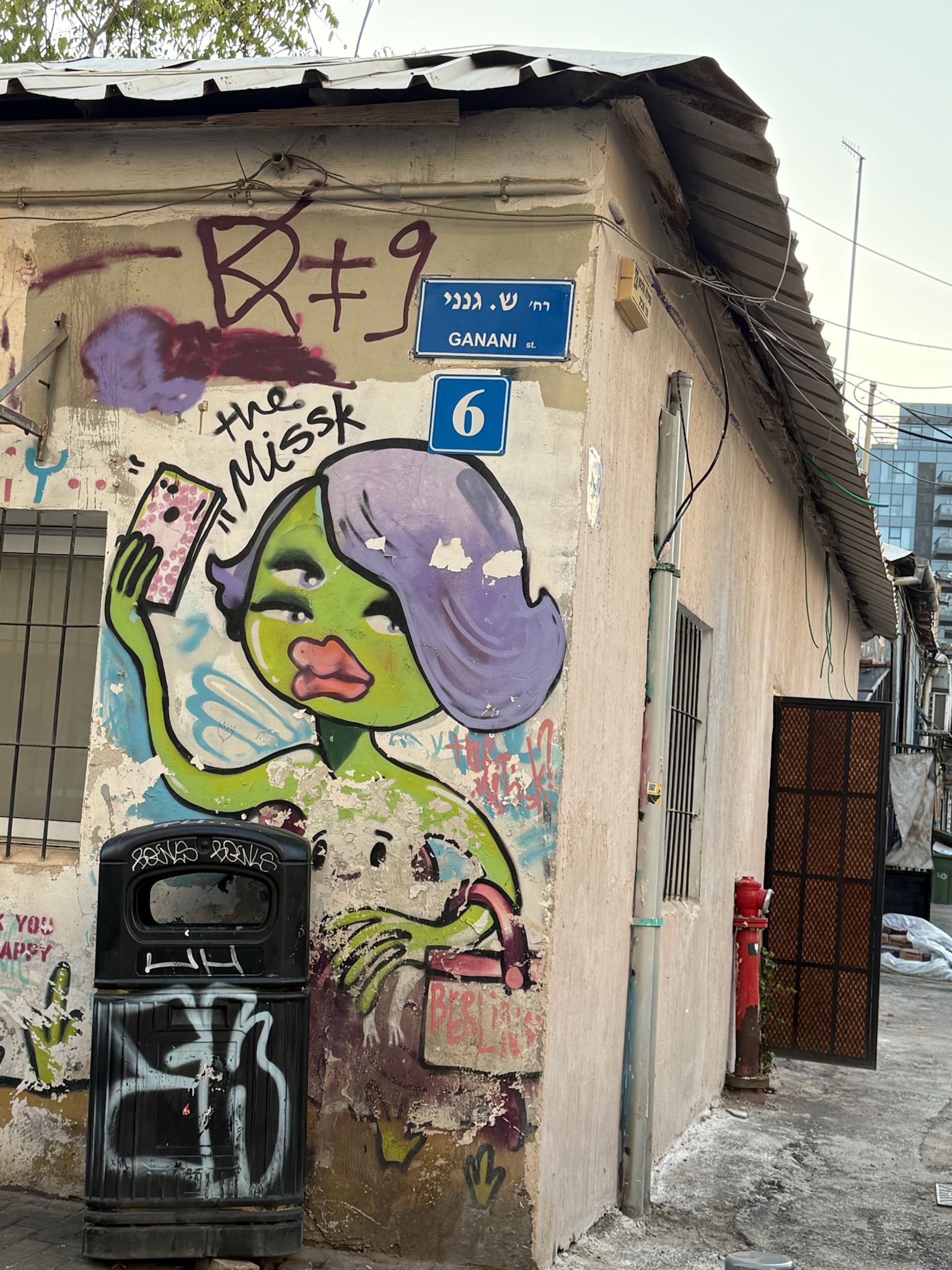
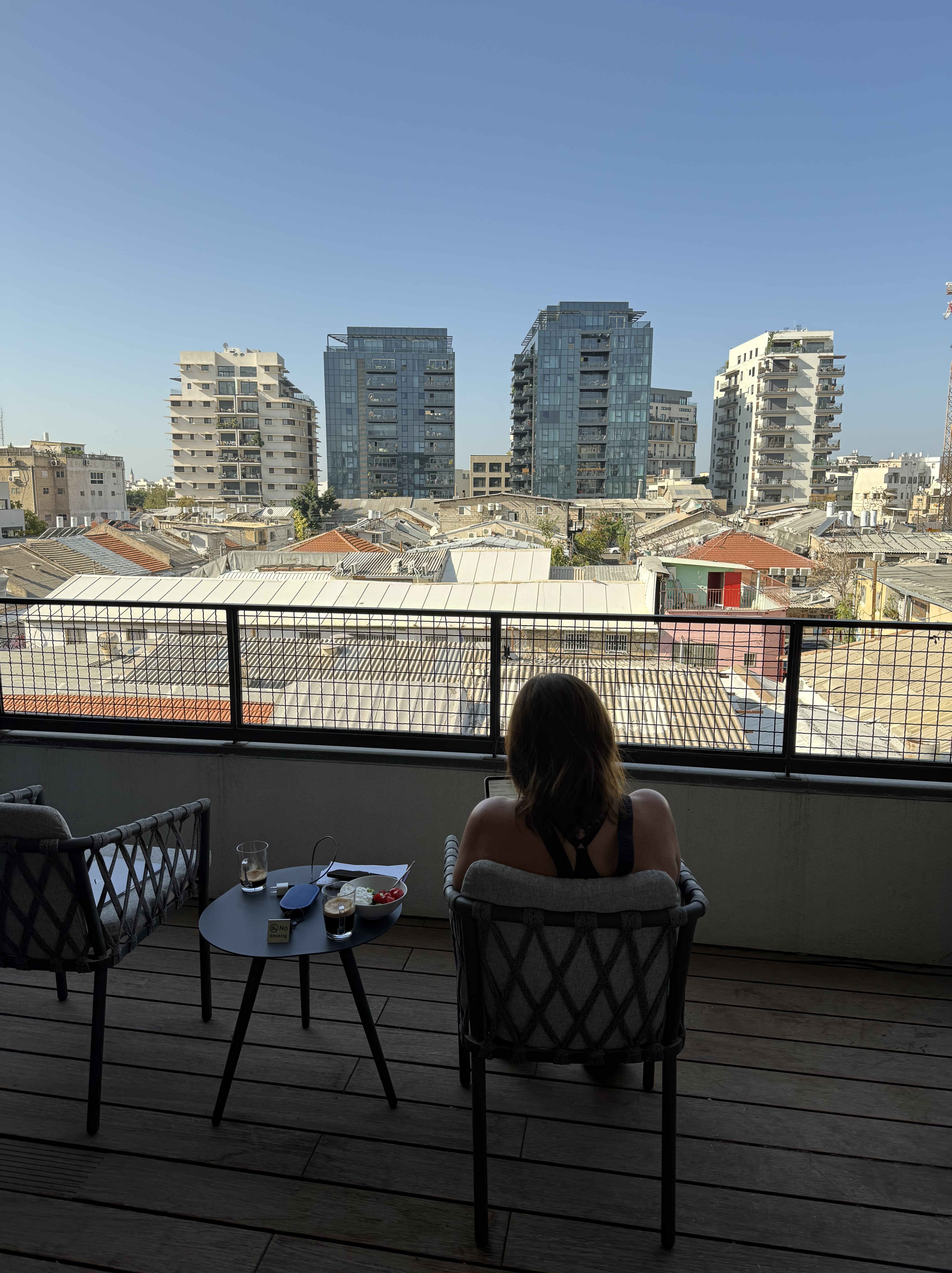
First off, where to stay? Tel Aviv offers many alternatives: modern apartments overlooking the beach, the promenade (Tayelet), and the Mediterranean; sophisticated Neve Zedek; the vibrant and always busy (except for Shabbat) area around the Carmel Market (the Shuk)…. The potential choices were daunting. And then there was Florentin, the gritty, graffiti-filled, noisy, hip area with seemingly endless numbers of cafes, bars, and restaurants, the Levinsky Market, and one delectably perfect Airbnb. From the moment we saw it, it felt Beshert (meant to be).
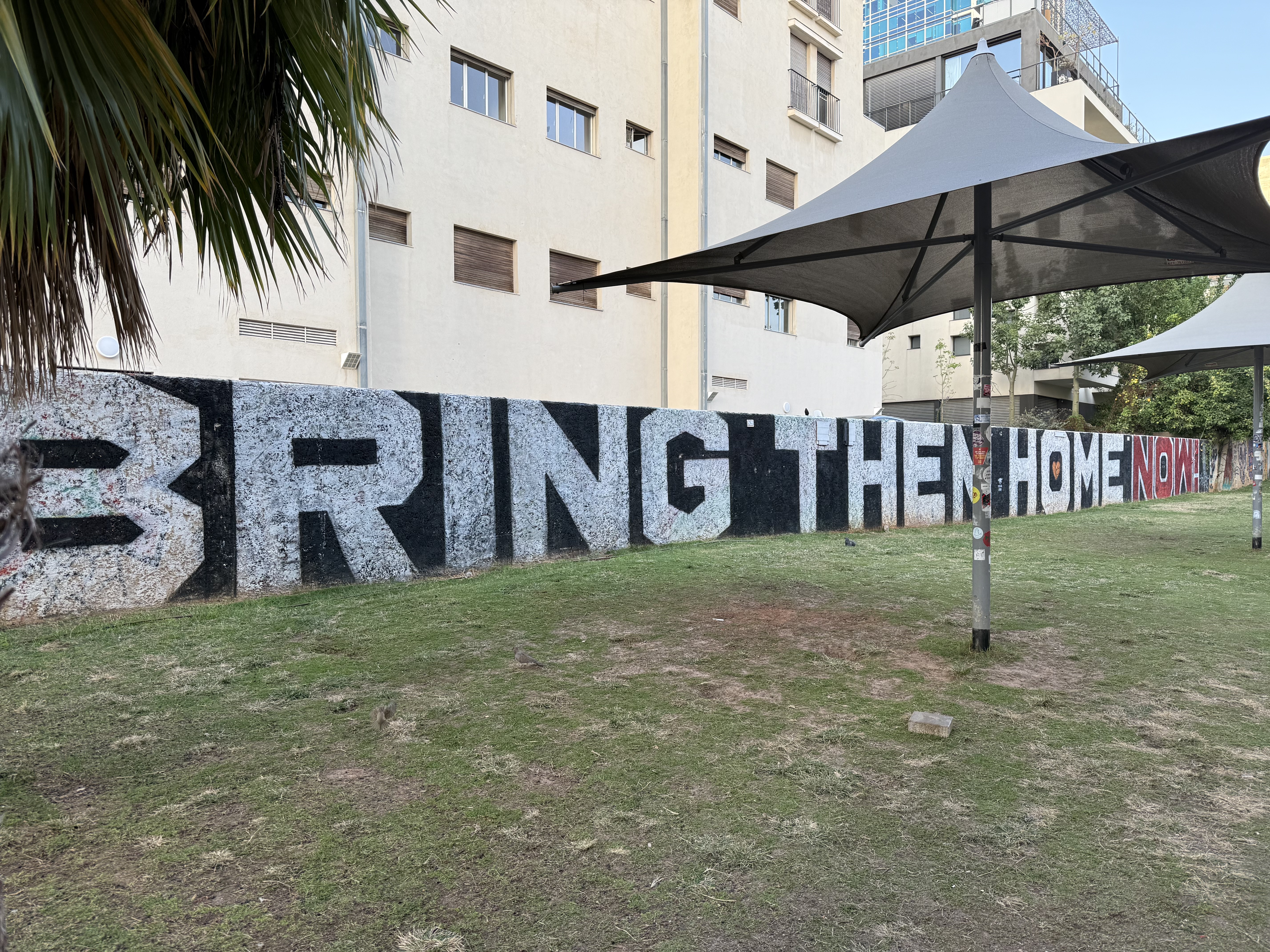
Off we went, only days after the ceasefire, to a country that was issuing a collective sigh of relief and yet still grappling with the horrors of the October 7 massacre and the fallout of the ensuing war against Hamas. We witnessed this in an emotional and poignant rally at Hostage Square two days after our arrival and at the end of our first Shabbat in the country, the first rally since the announcement of the ceasefire and the return of the live hostages. We couldn’t understand a word of the speakers’ Hebrew, some of whom were family members of the deceased hostages who had yet to be returned to Israel, but in this instance, the literal translation was unnecessary—the meaning of the words was revealed in the anguished tone in which they were spoken. The rally culminated in a heart-warming singing of Hatikvah by a young woman with an angelic voice, with the gathered thousands joining in, tears flowing in abundance.
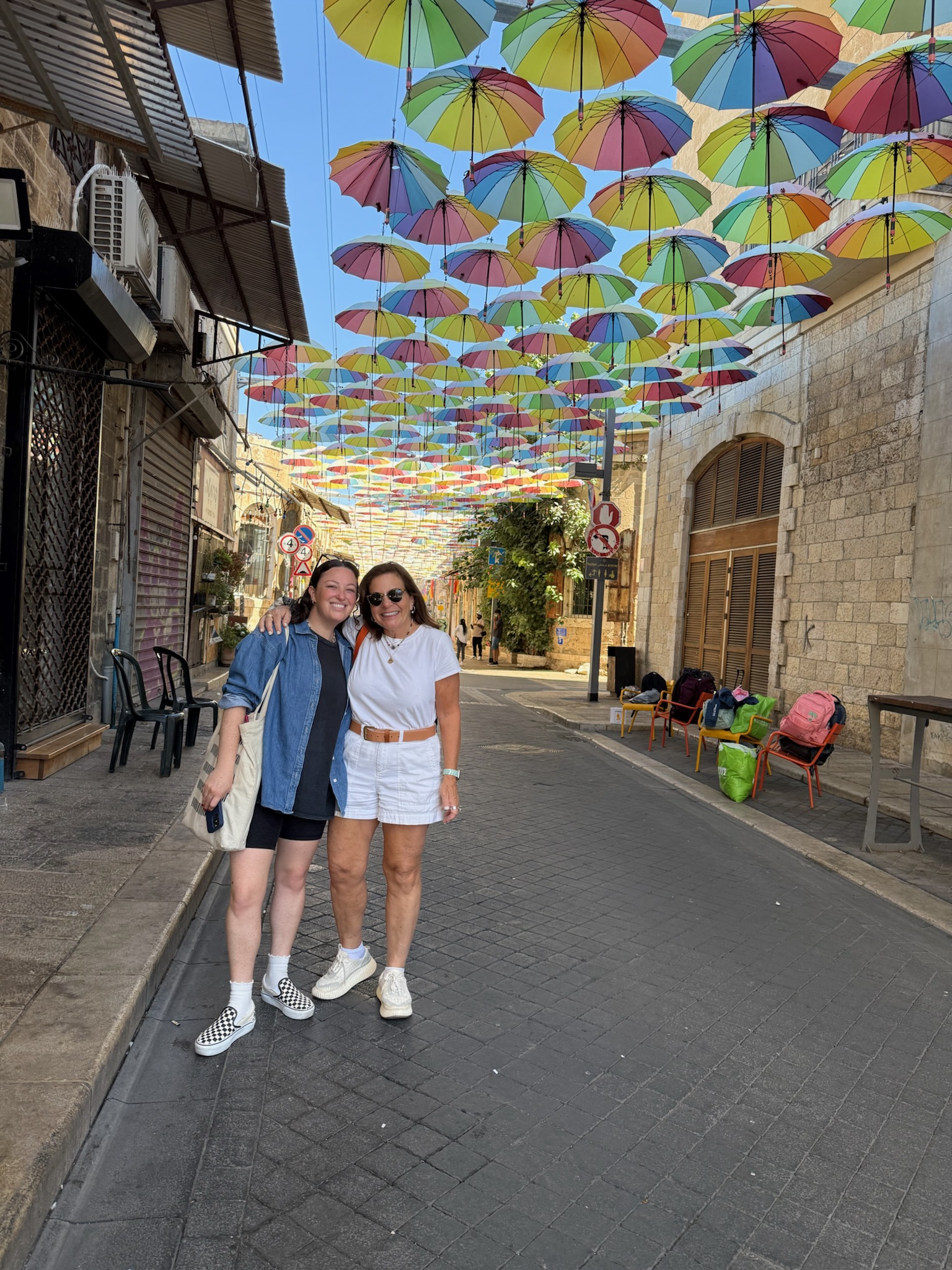
We were fortunate to have our niece, Ellie Krasnick, who made Aliyah, give us an early tour of Yafo and help us get our initial bearings. After we wandered the streets for a few days, what we observed could only be described as astonishing in the differences from our last visit—massive new office and residential buildings going up everywhere, multi-lane highways, high speed rail lines, streets under construction for light rail and a new subway system. And yet, it was the diversity of the people that was the most profound and most noticeable aspect of the city: overwhelmingly young, encompassing all races, religions, nationalities, and sexual preferences, kippot and tsitsit wearing, tattooed and pierced. Lots and lots of them smoking (hand-rolled cigarettes—a huge thing in Israel). And LOTS of pregnant women and those with newborns, as we discovered that Israel was experiencing a major baby boom since October 7.
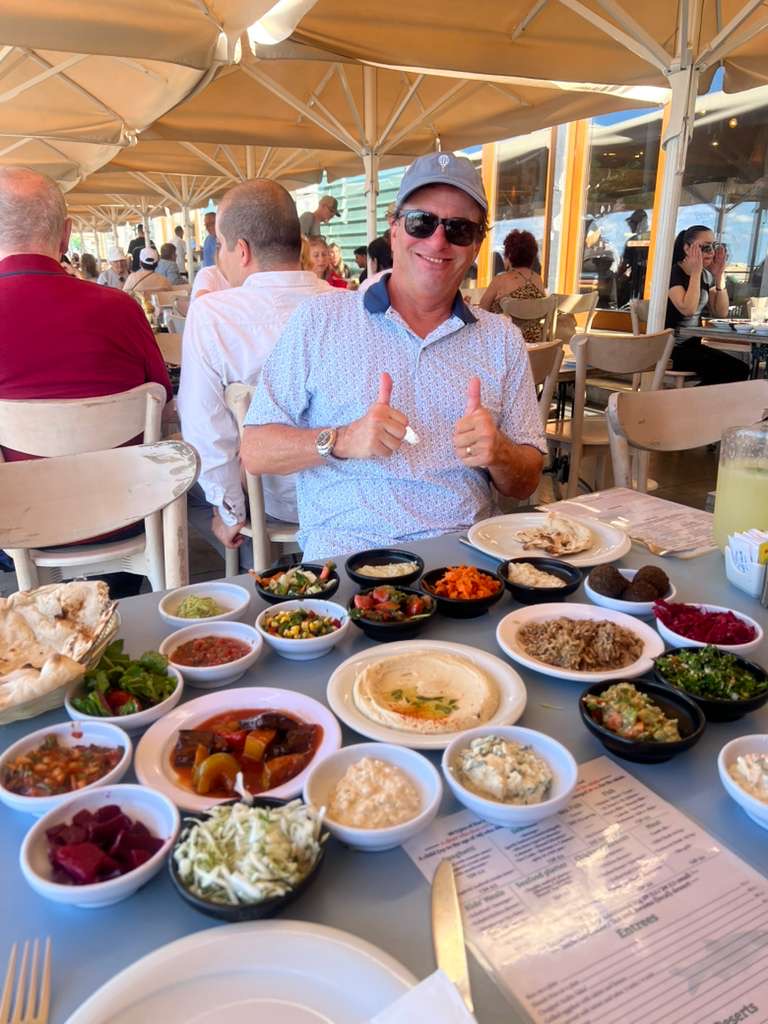
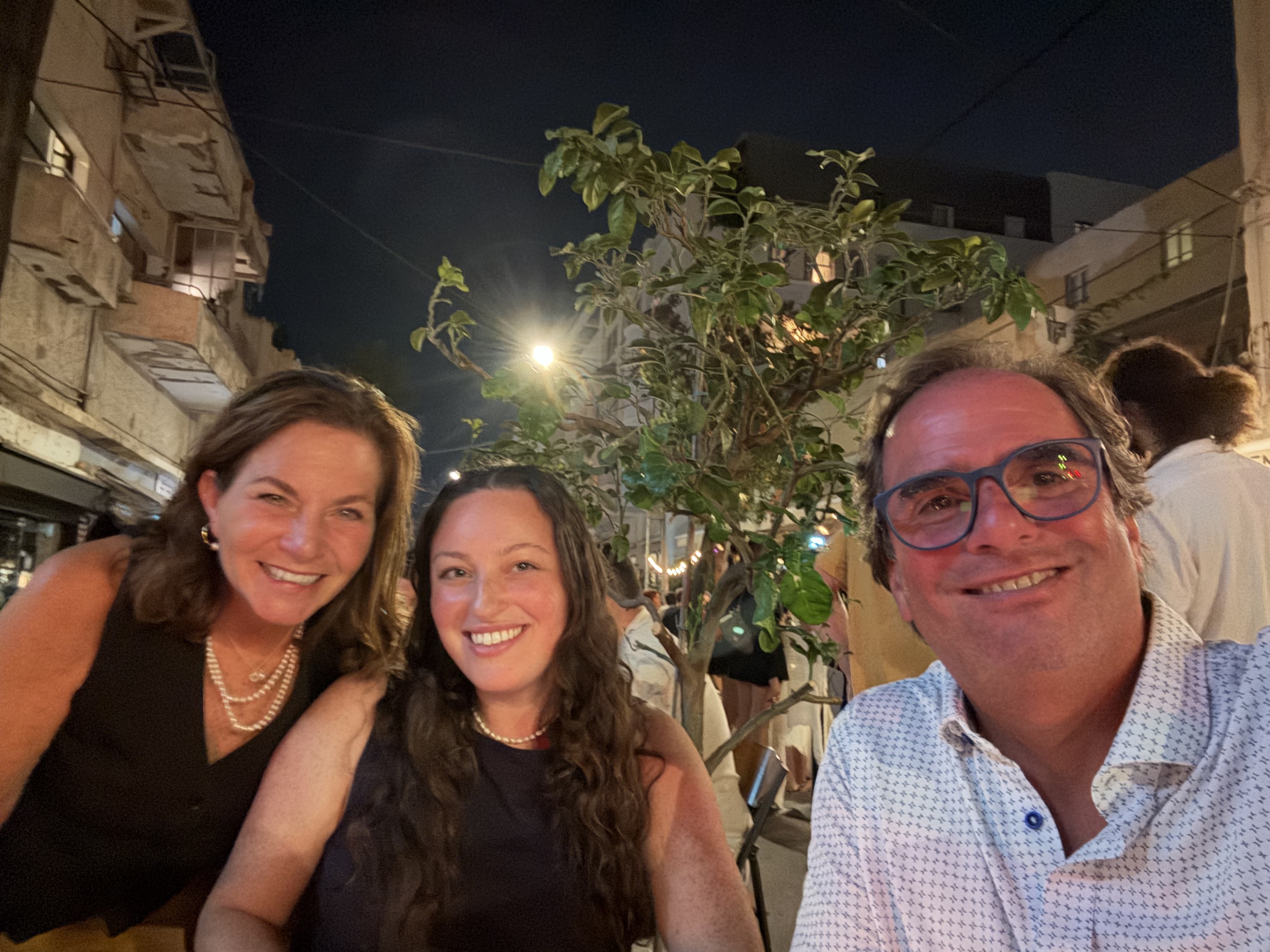
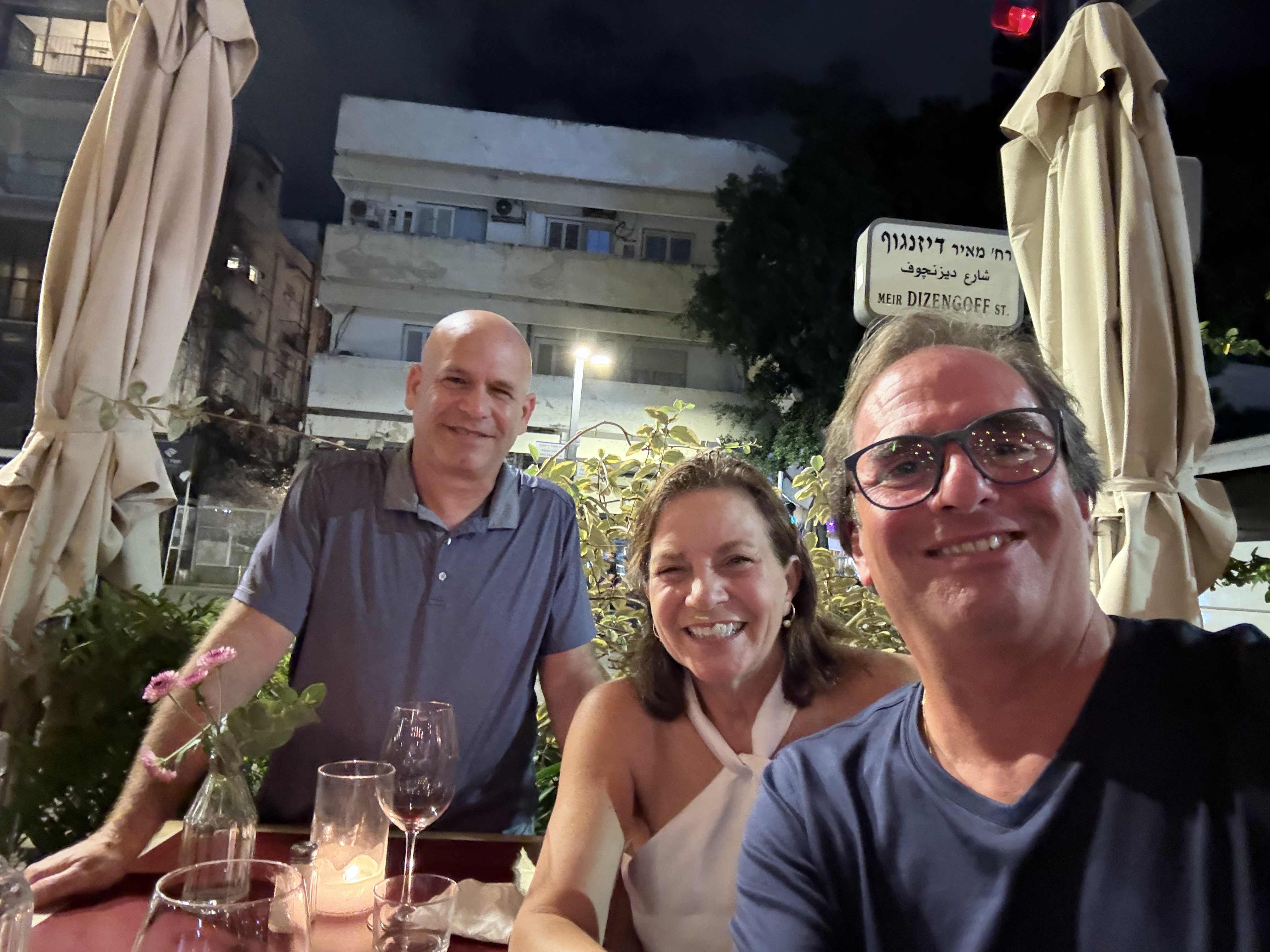
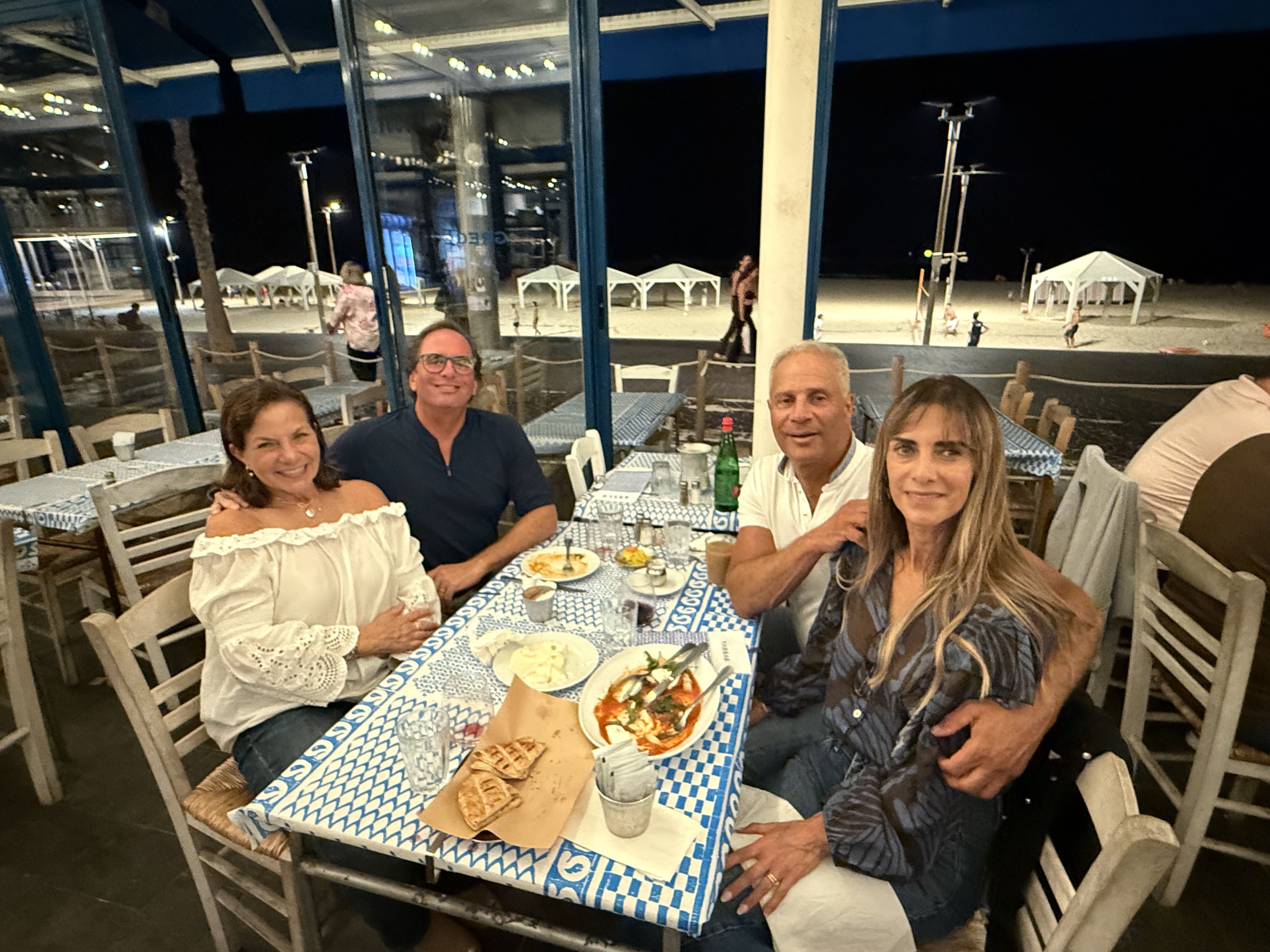
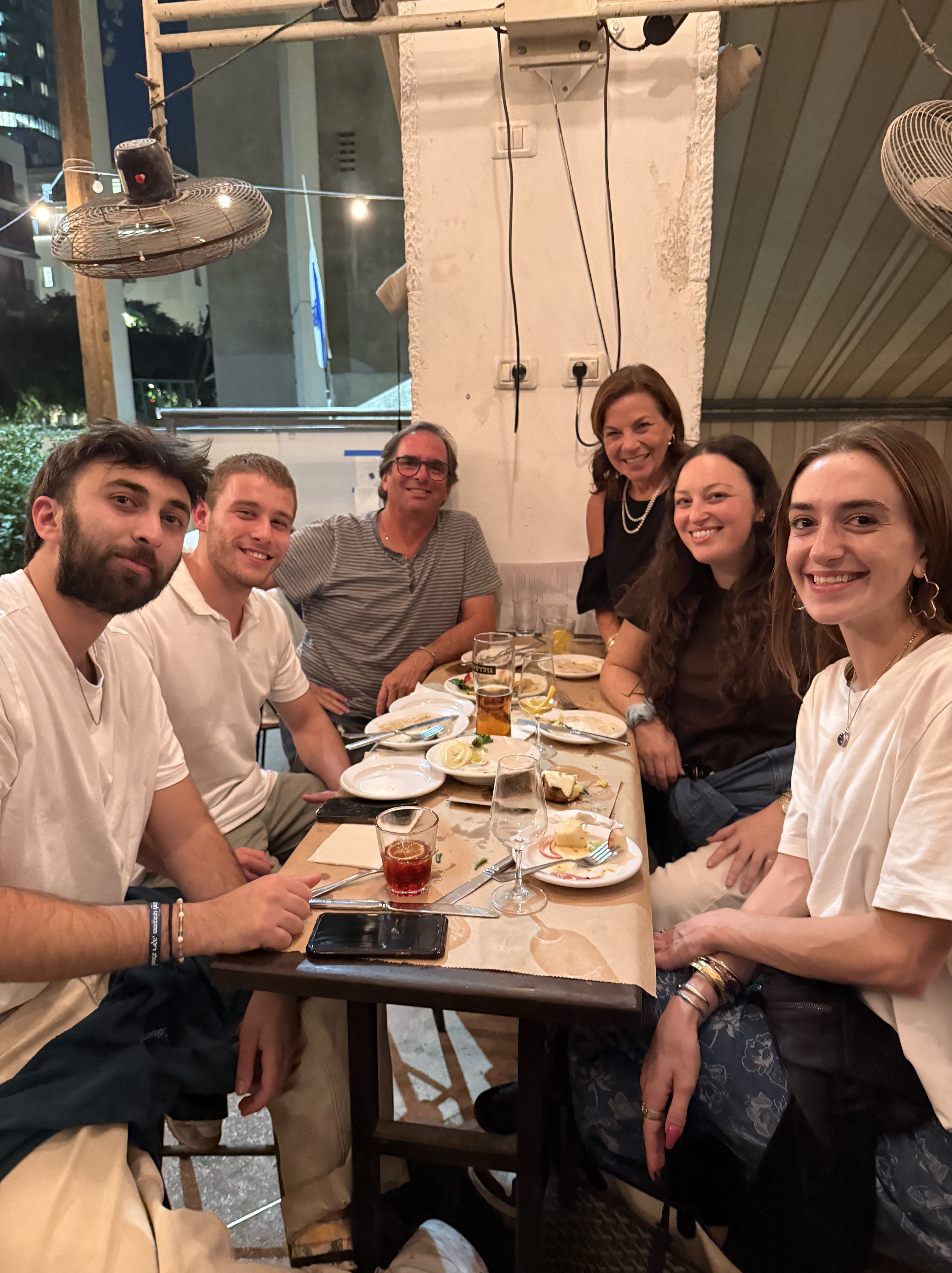
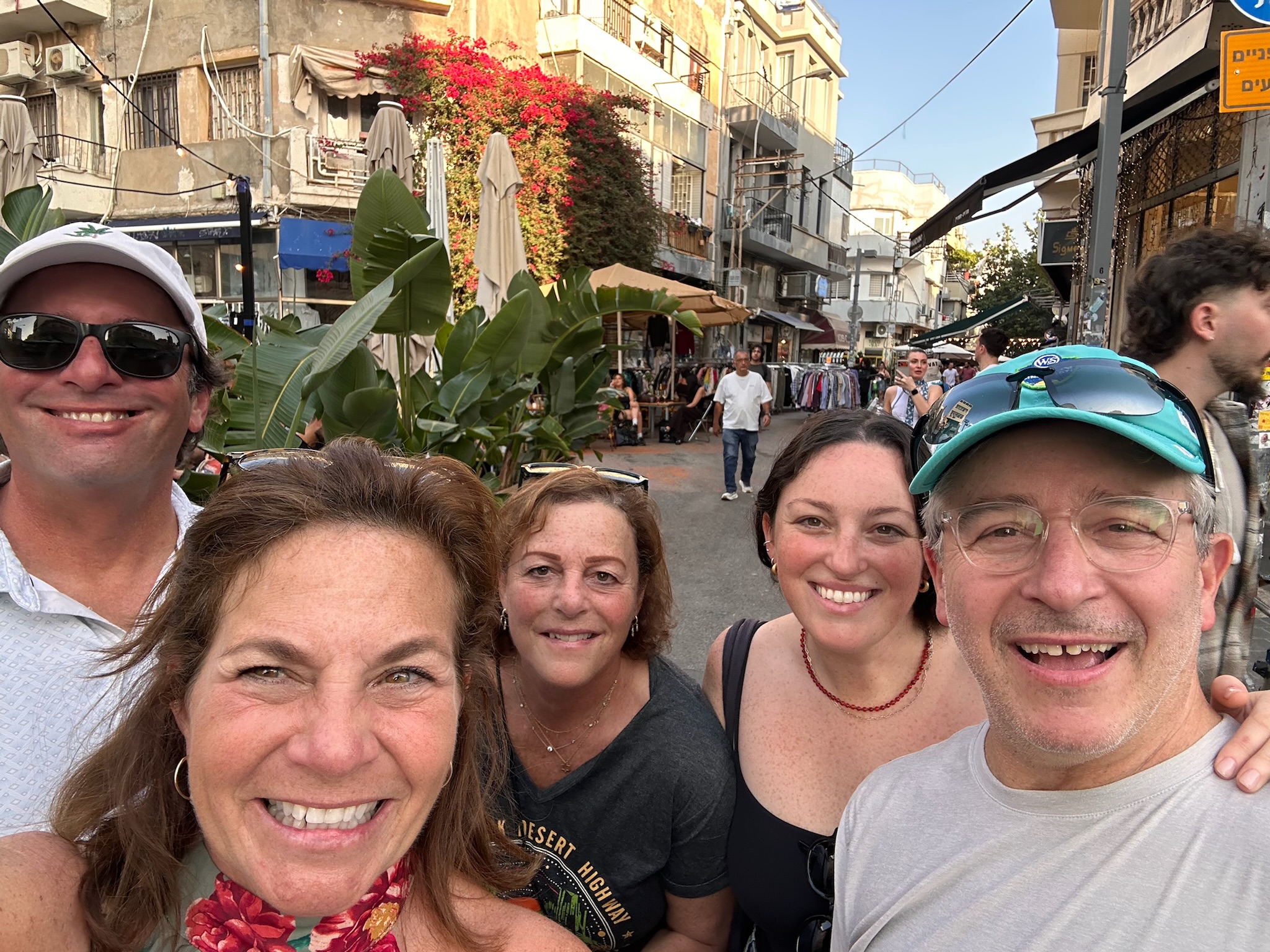
Tel Aviv is also very much a melting pot reflecting the origins of its people and the enclaves in which they live. Food-wise, you can find Yemenite spice shops and restaurants, French patisseries and boulangeries, Italian restaurants and pizza shops, burger joints and cocktail bars lifted straight out of Manhattan, gin joints from the British influence, and of course, falafel, shawarma, sabich, shakshuka, and bourekas stands. Similarly, the music, art, jewelry, and languages reflect a multiplicity of cultures and influences. And speaking of cultural influences, Tel Aviv is very much of a European vibe, from the Bauhaus architecture to the restaurants that sprawl out into the middle of Nachalat Binyamin Street to the late dining (you’ll be the only one there if you go before 8:30 p.m.).
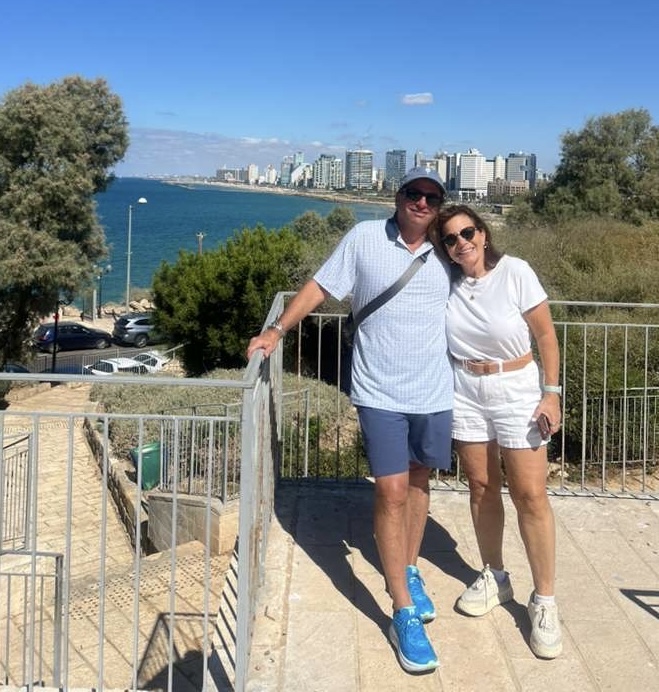
We walked to every corner of Tel Aviv, from Hayarkon Park in the North to the quaint old city of Yafo in the South, from Park HaMesila in Neve Zedek then along Rothschild Boulevard all the way to Rabin Square. While we initially thought that our Semesters Abroad would allow us to experience our destinations like locals, we have found that it is actually more of a slower, more relaxed version of tourism. On this trip we had a lot that we wanted to see and experience, and we had the luxury of doing it at our pace. That being said, we never took a day “off” and did nothing—we just couldn’t bring ourselves to be THAT relaxed. So, on our lazier days when we sat in our Airbnb reading our books over several cups of coffee, we had to eventually motivate to get out and about, even if it meant just walking aimlessly along tree-lined Rothschild Boulevard, or to Levinsky Market or the Carmel Shuk or the Tayelet.
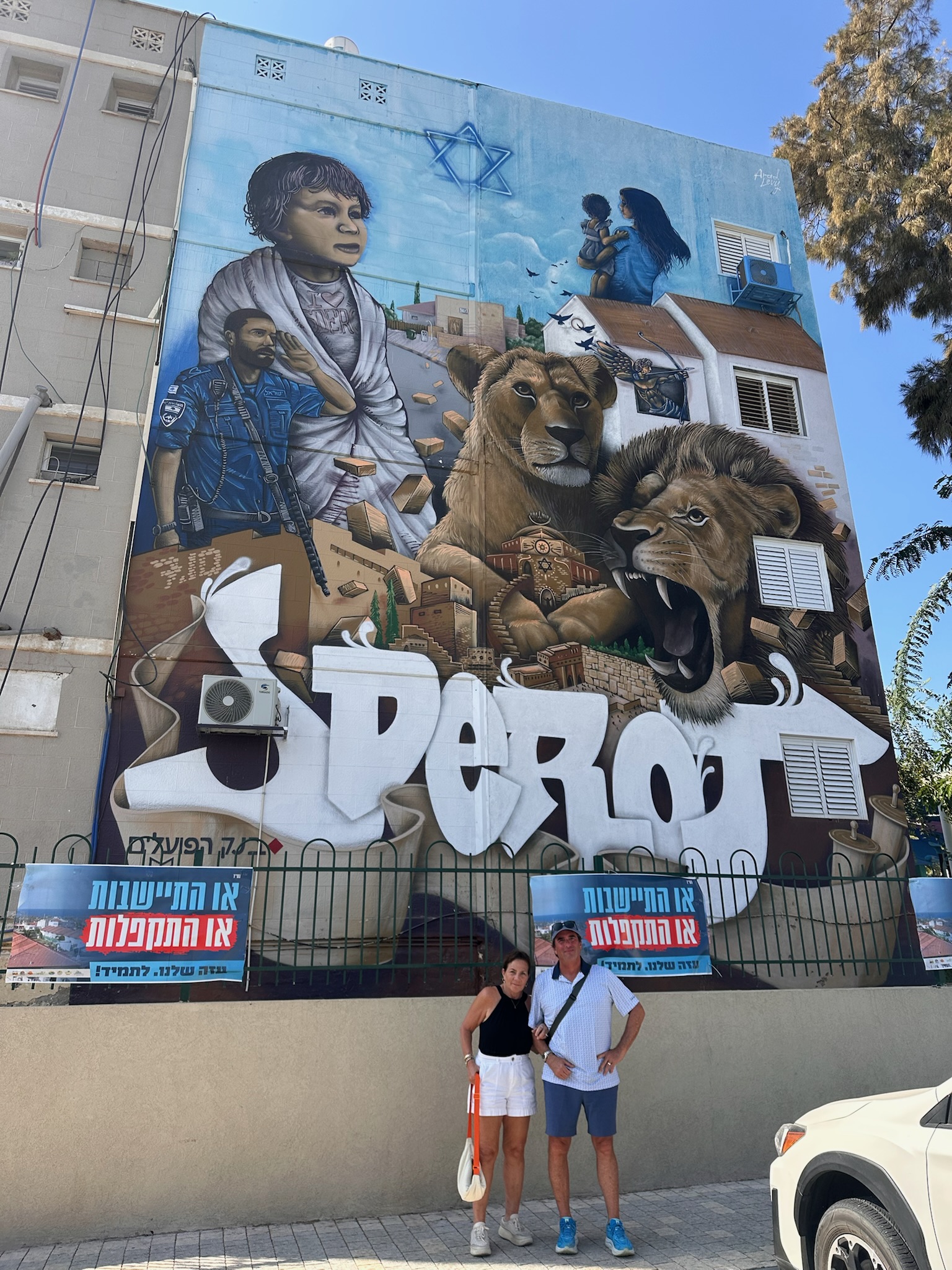
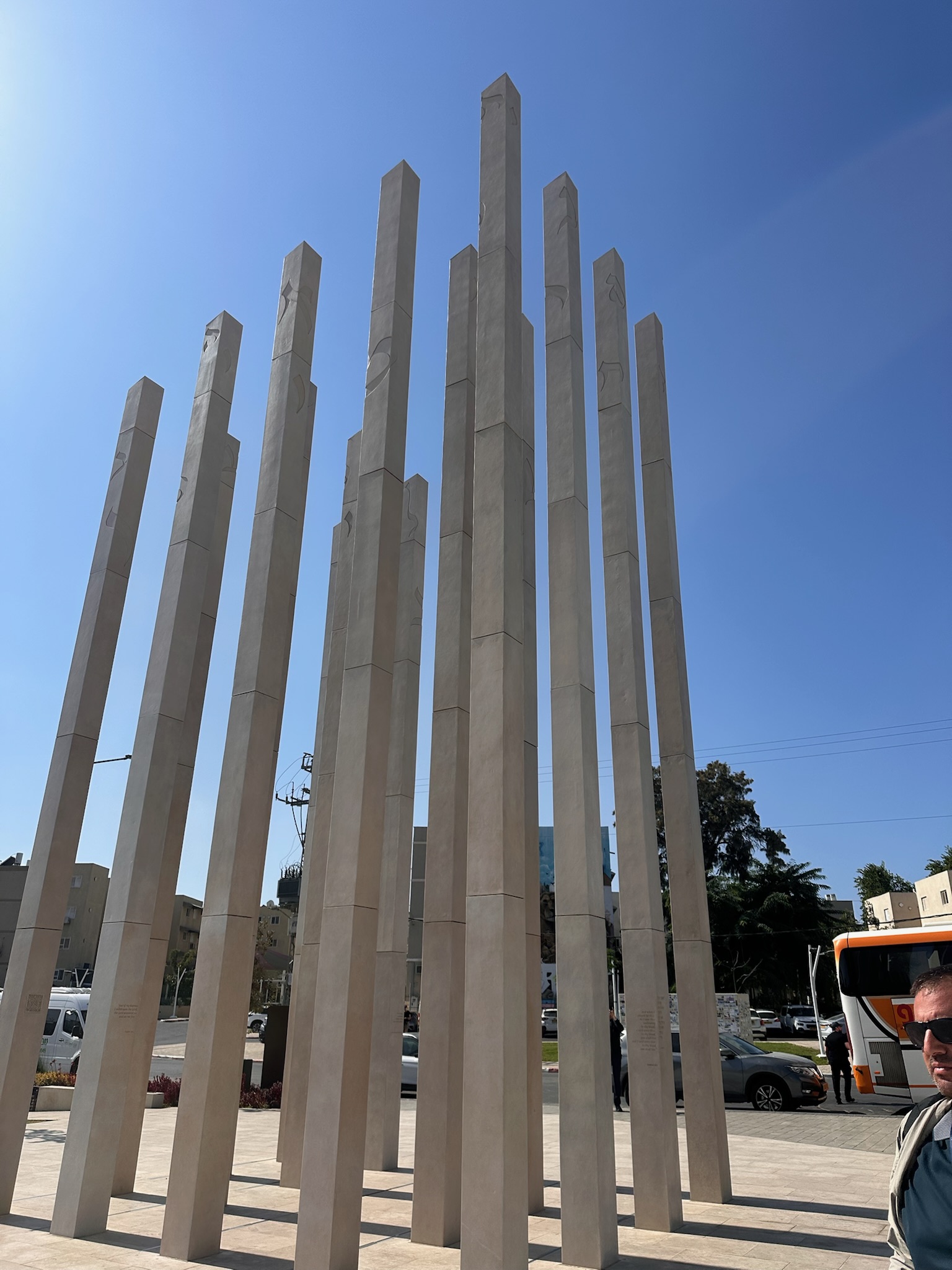
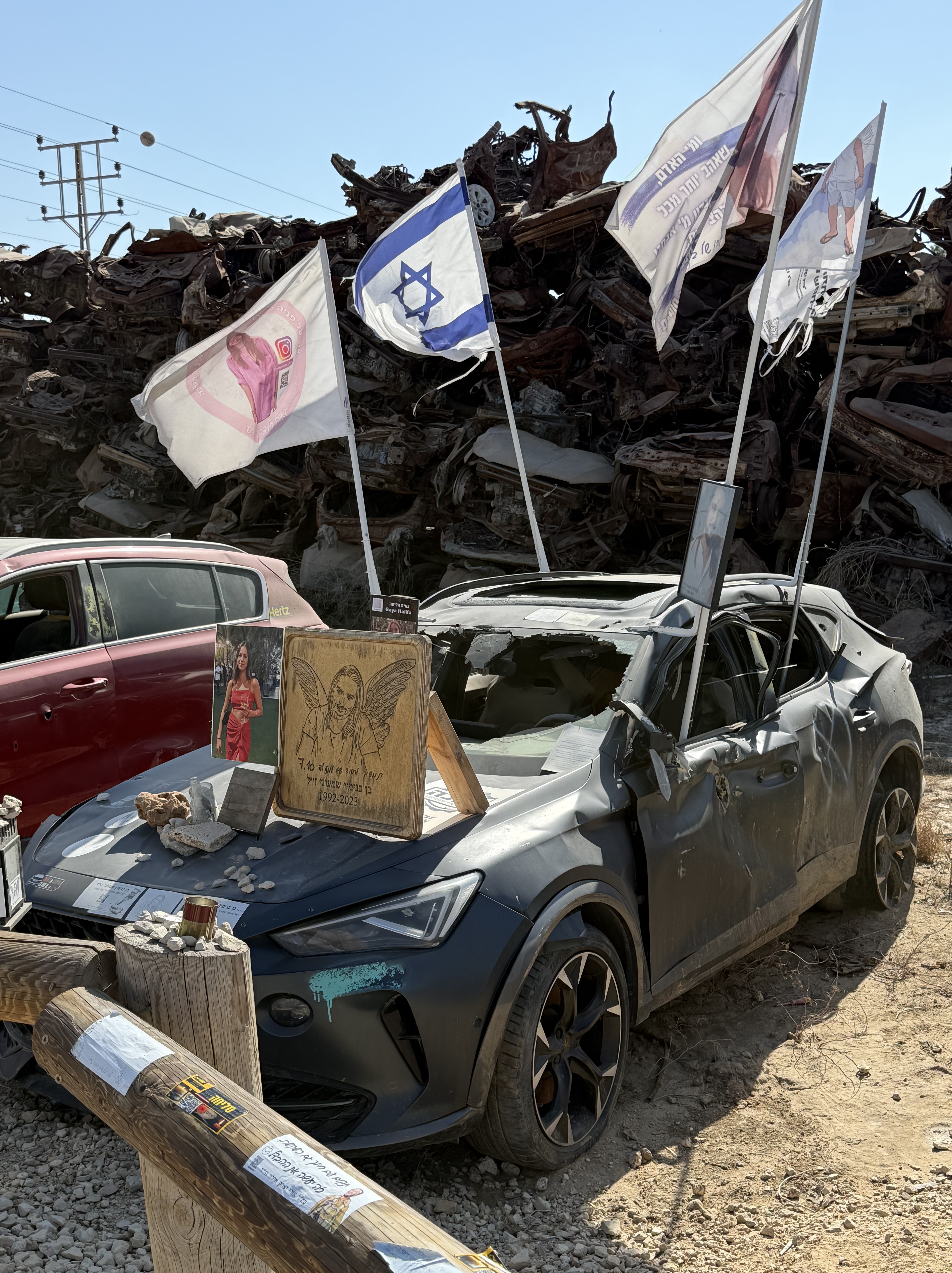
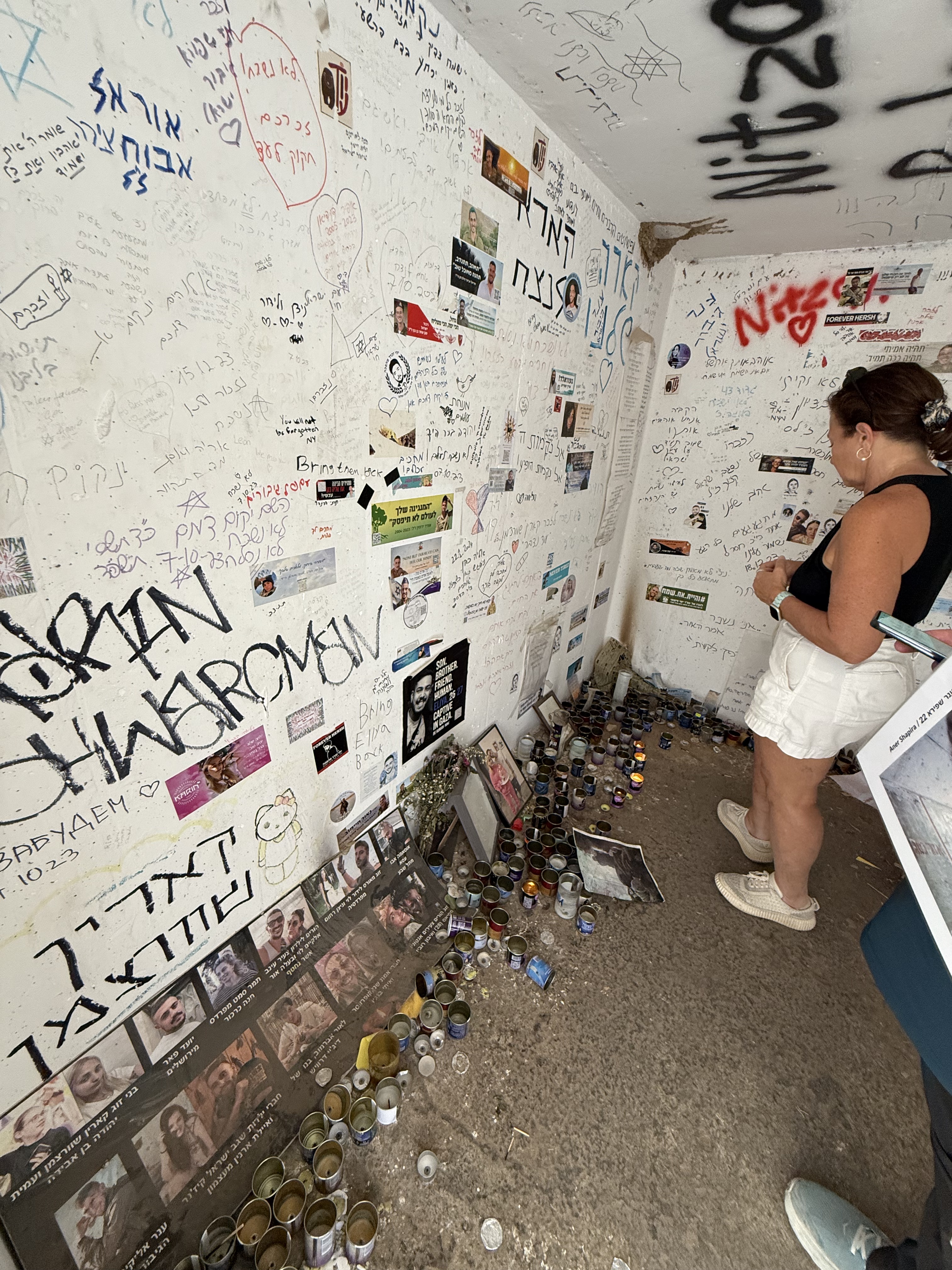
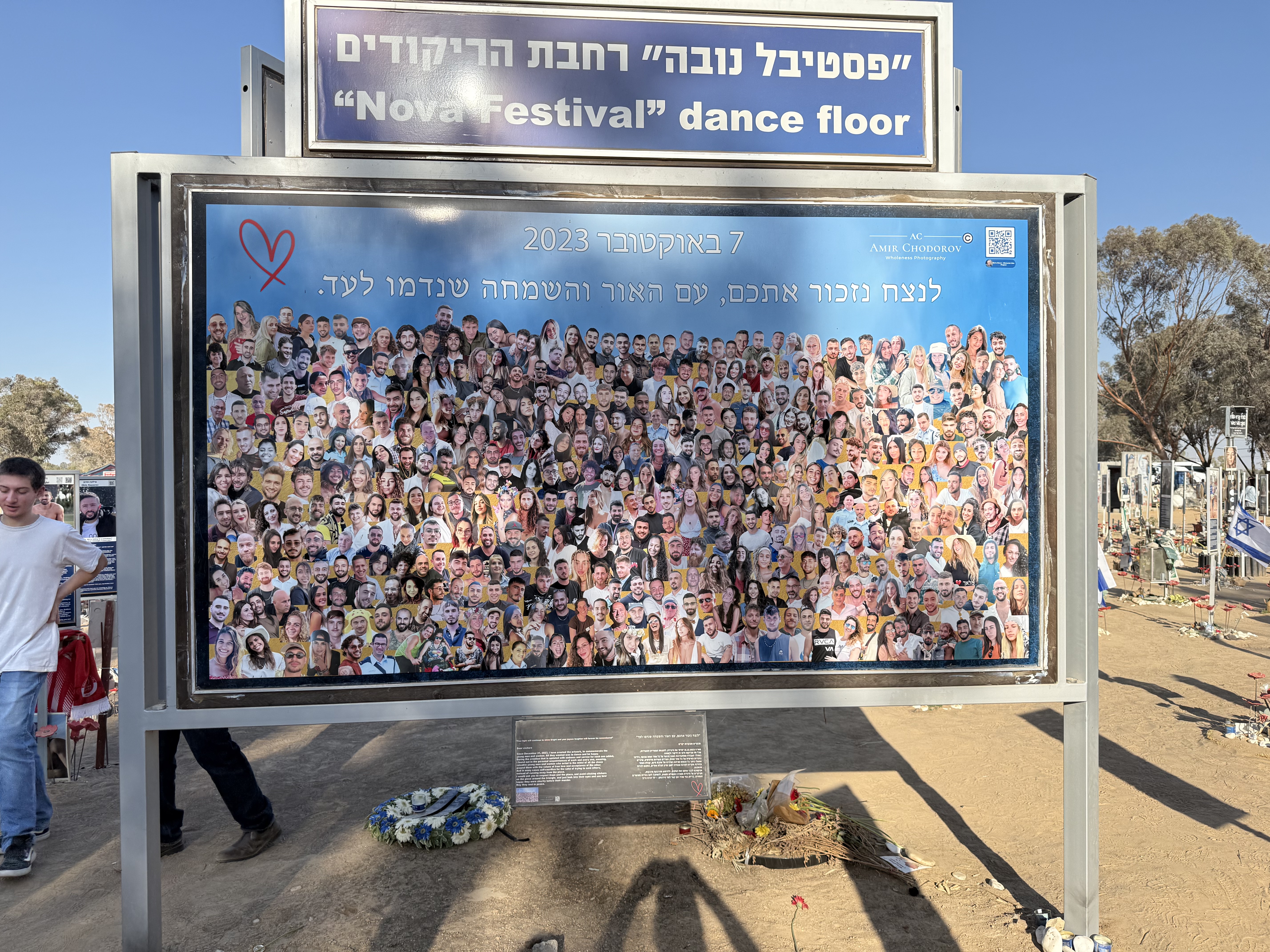
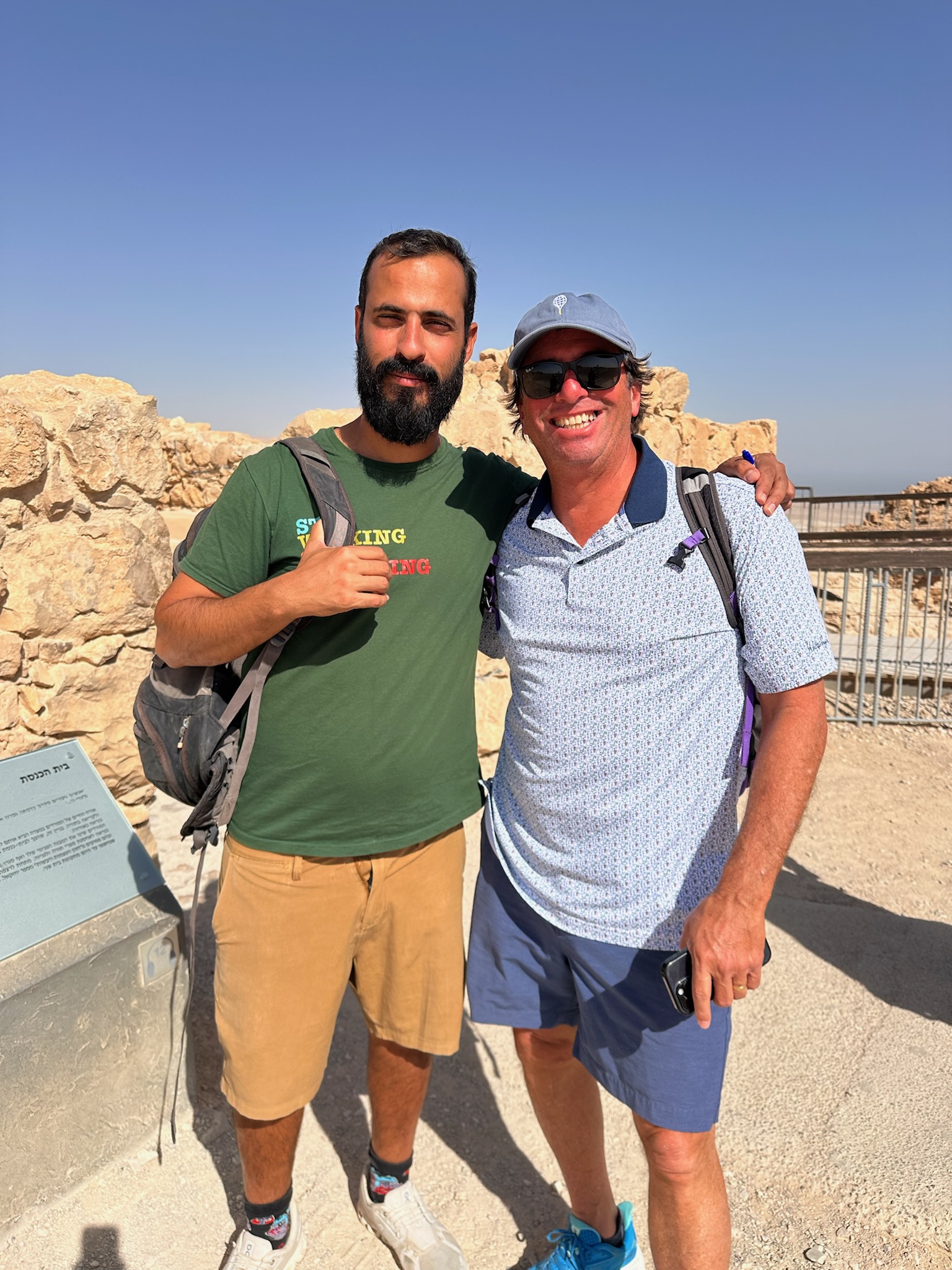
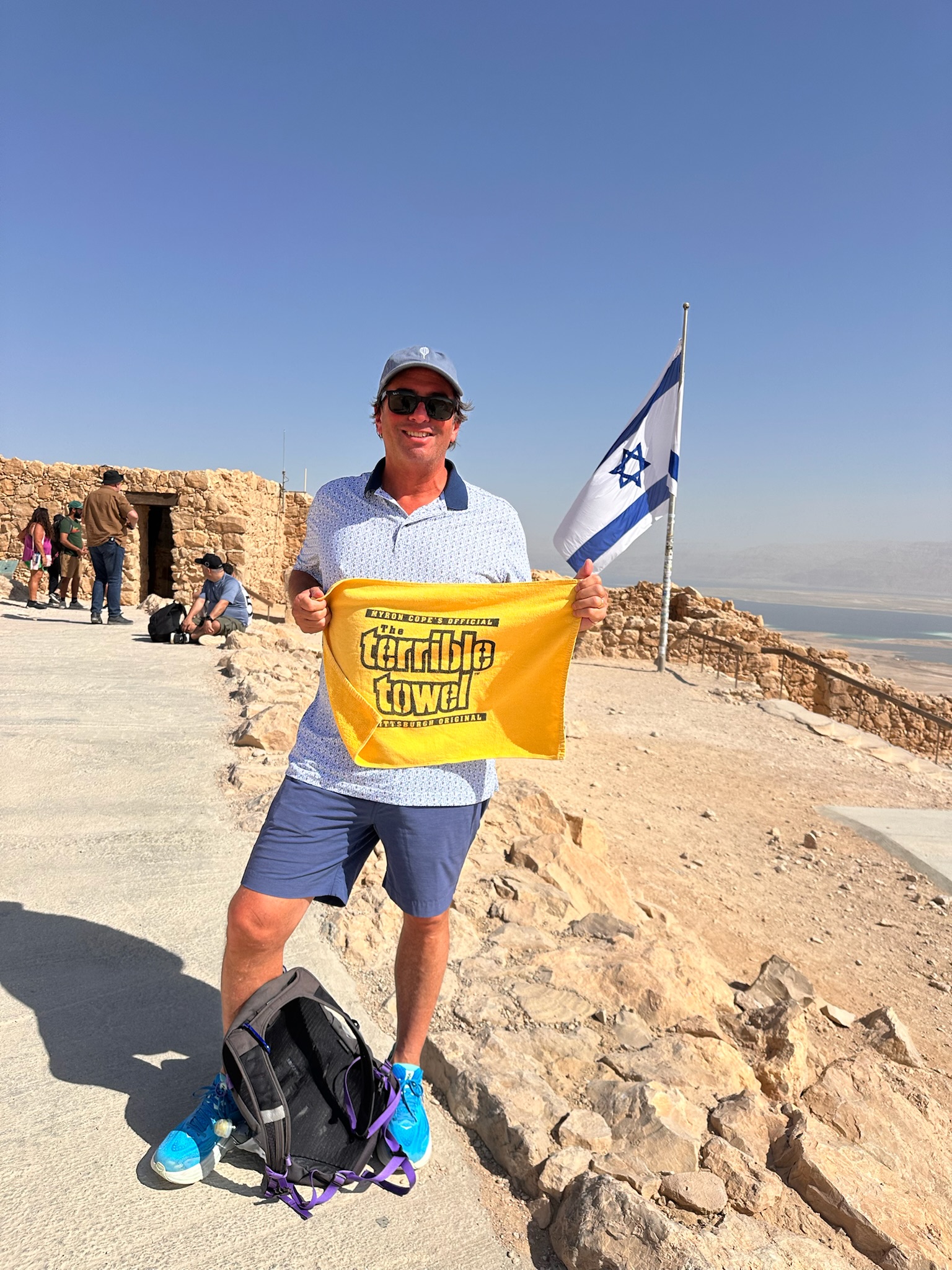
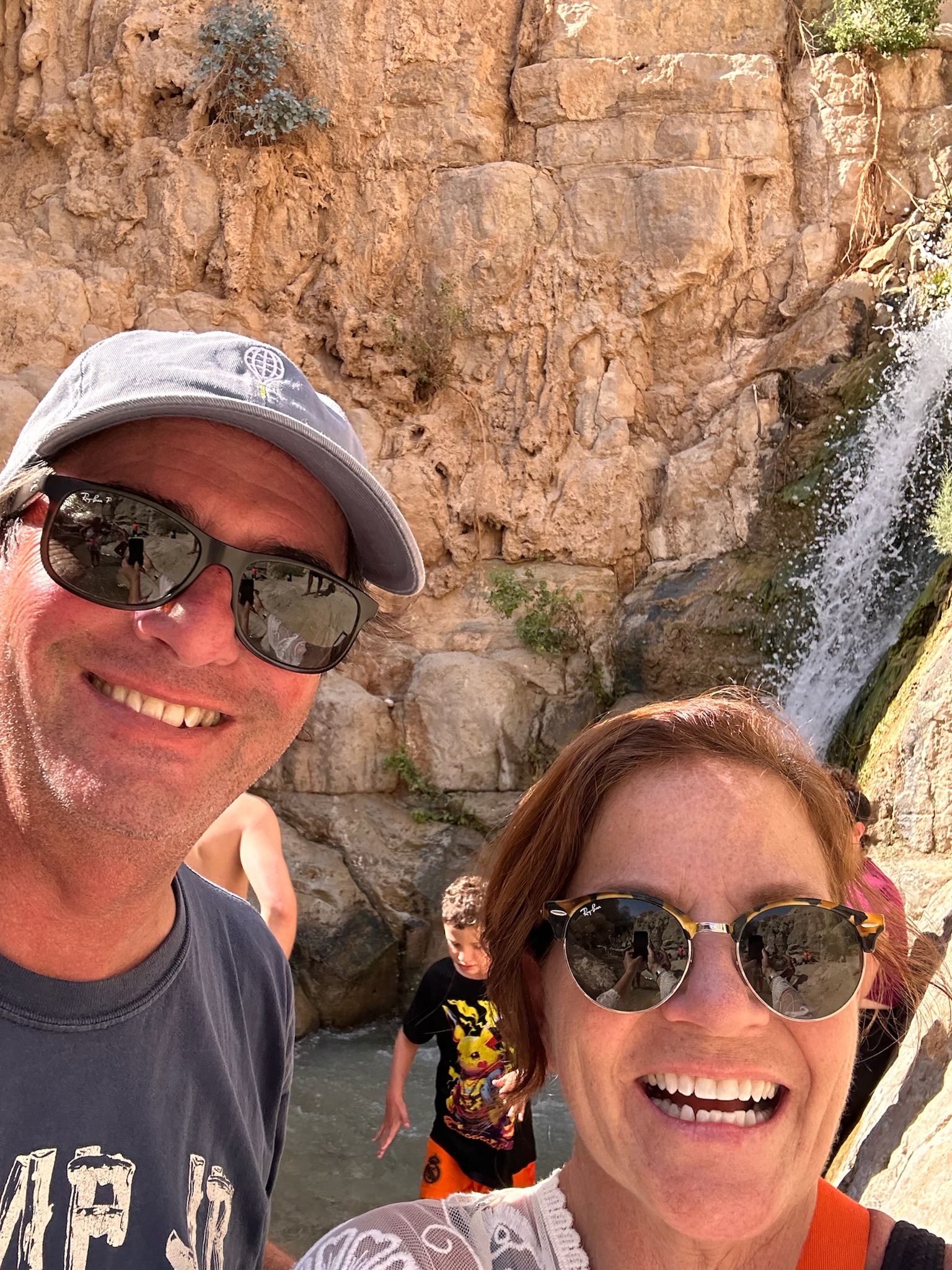
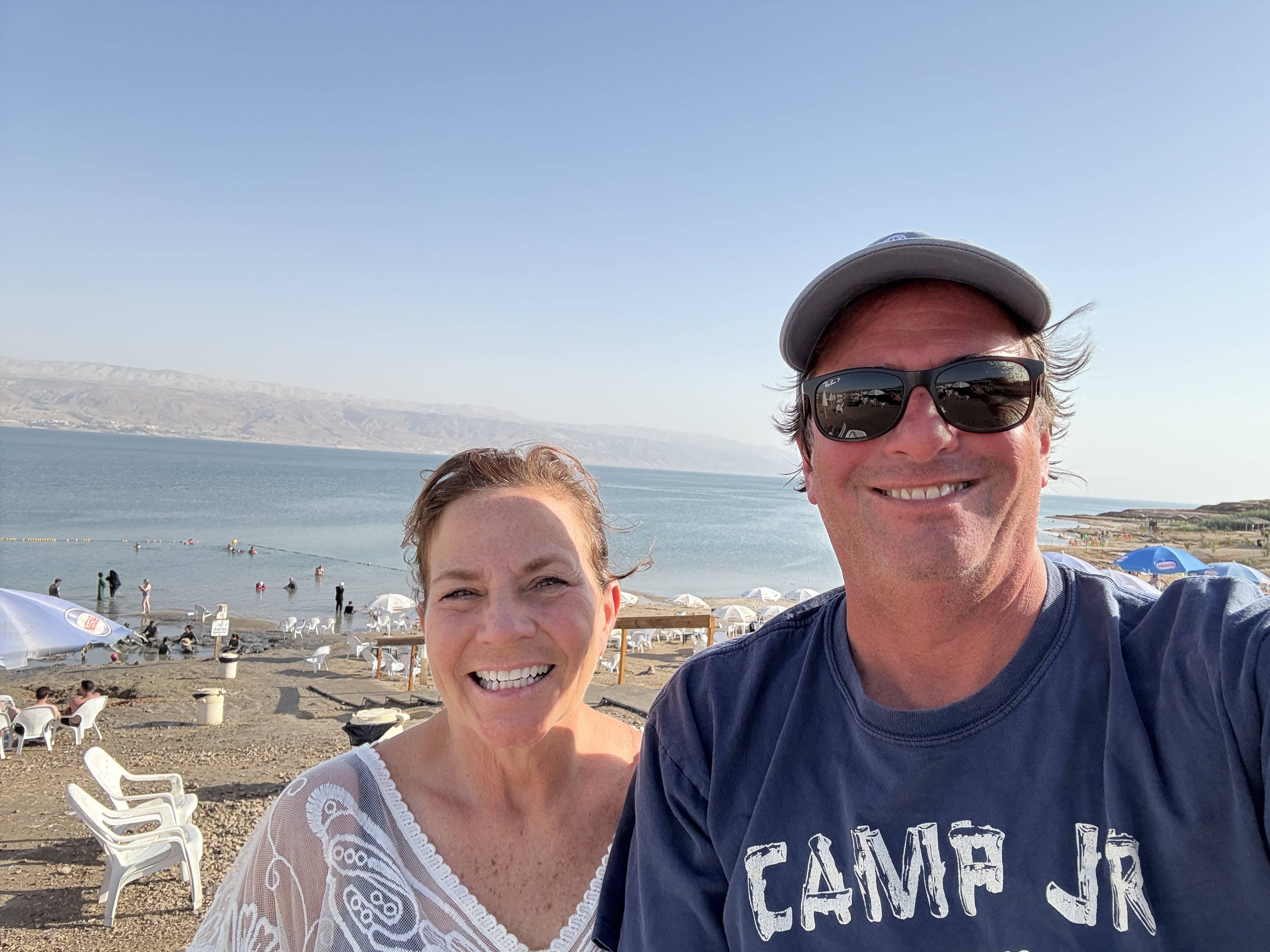
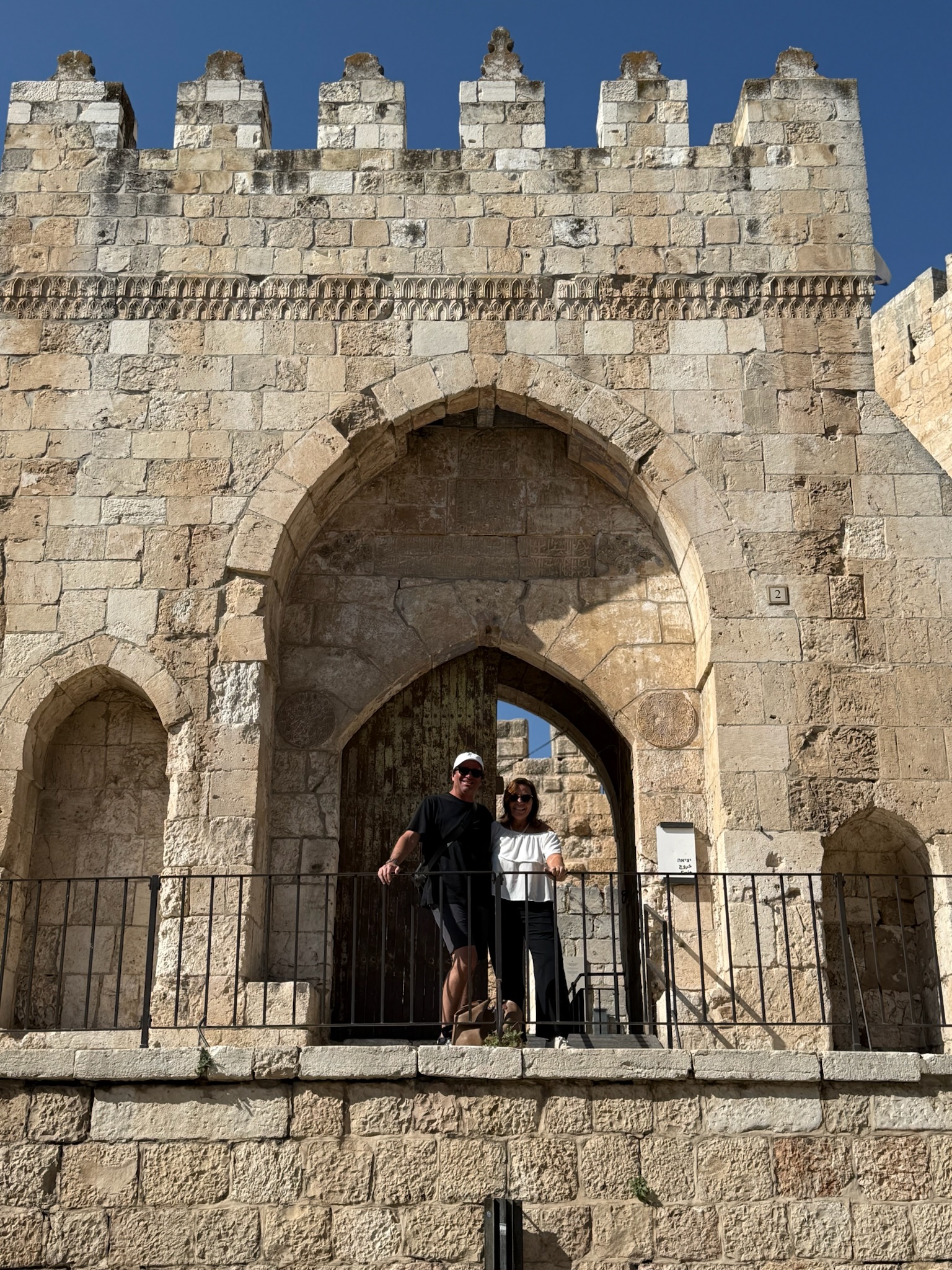
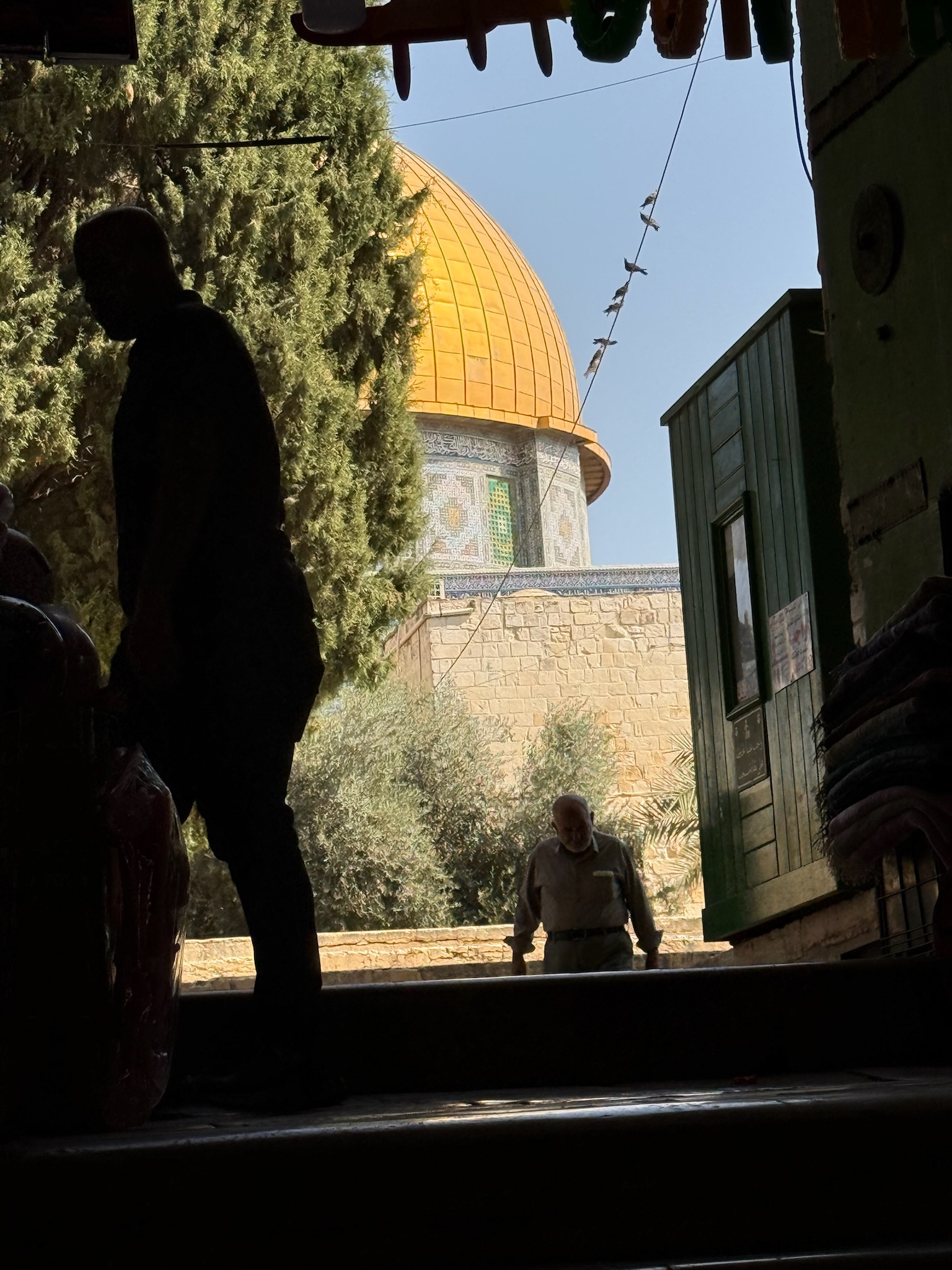
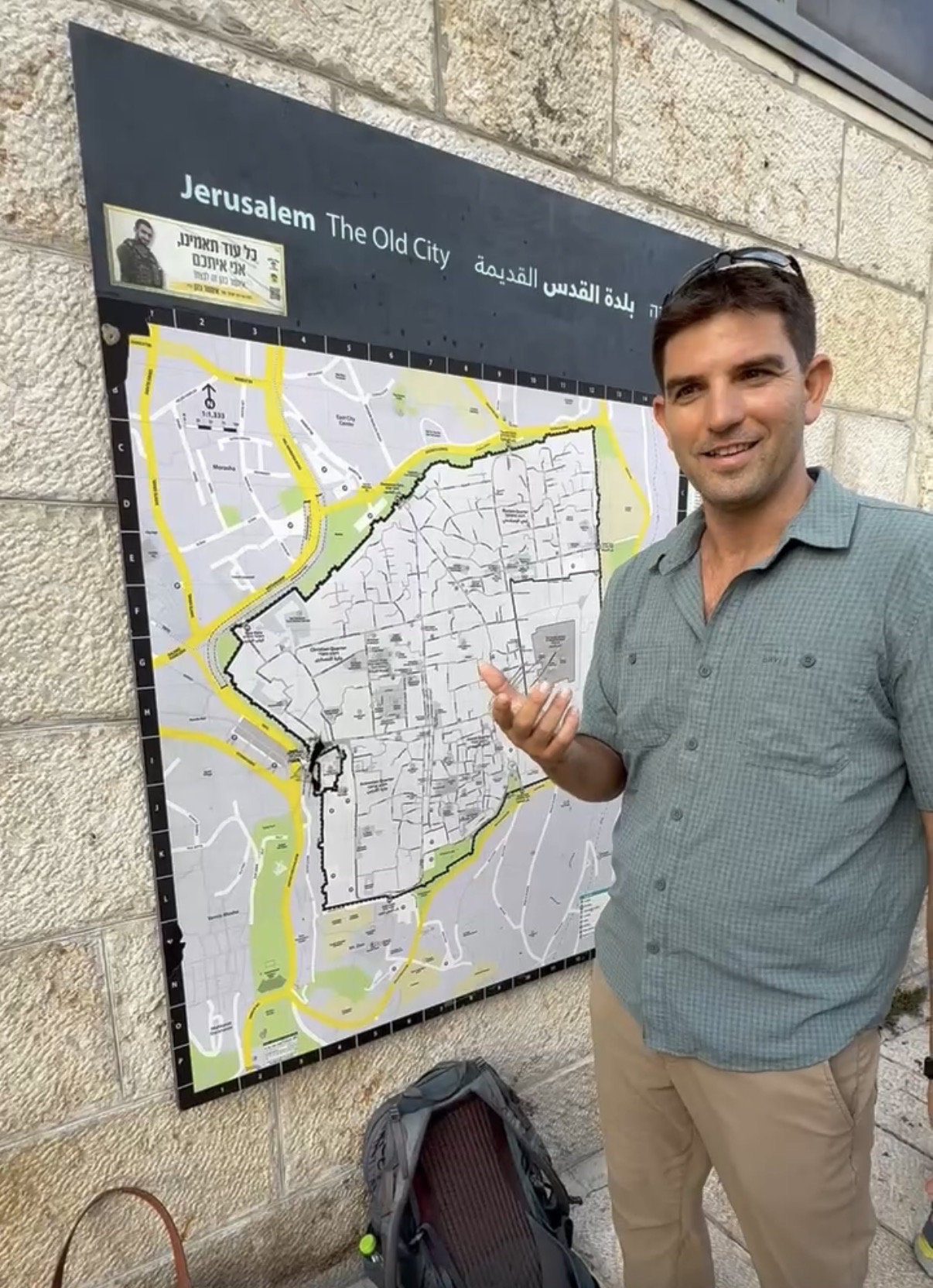
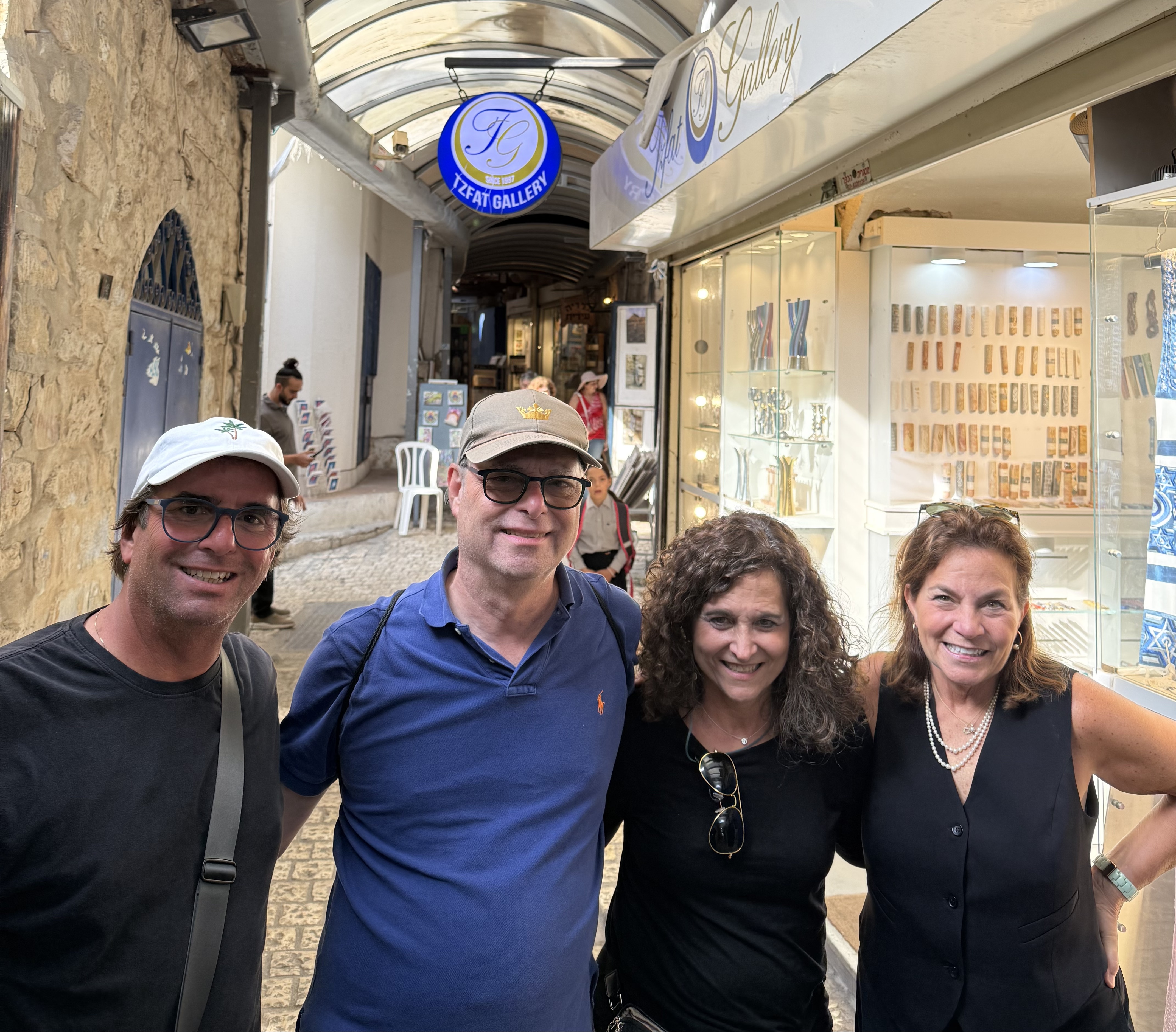
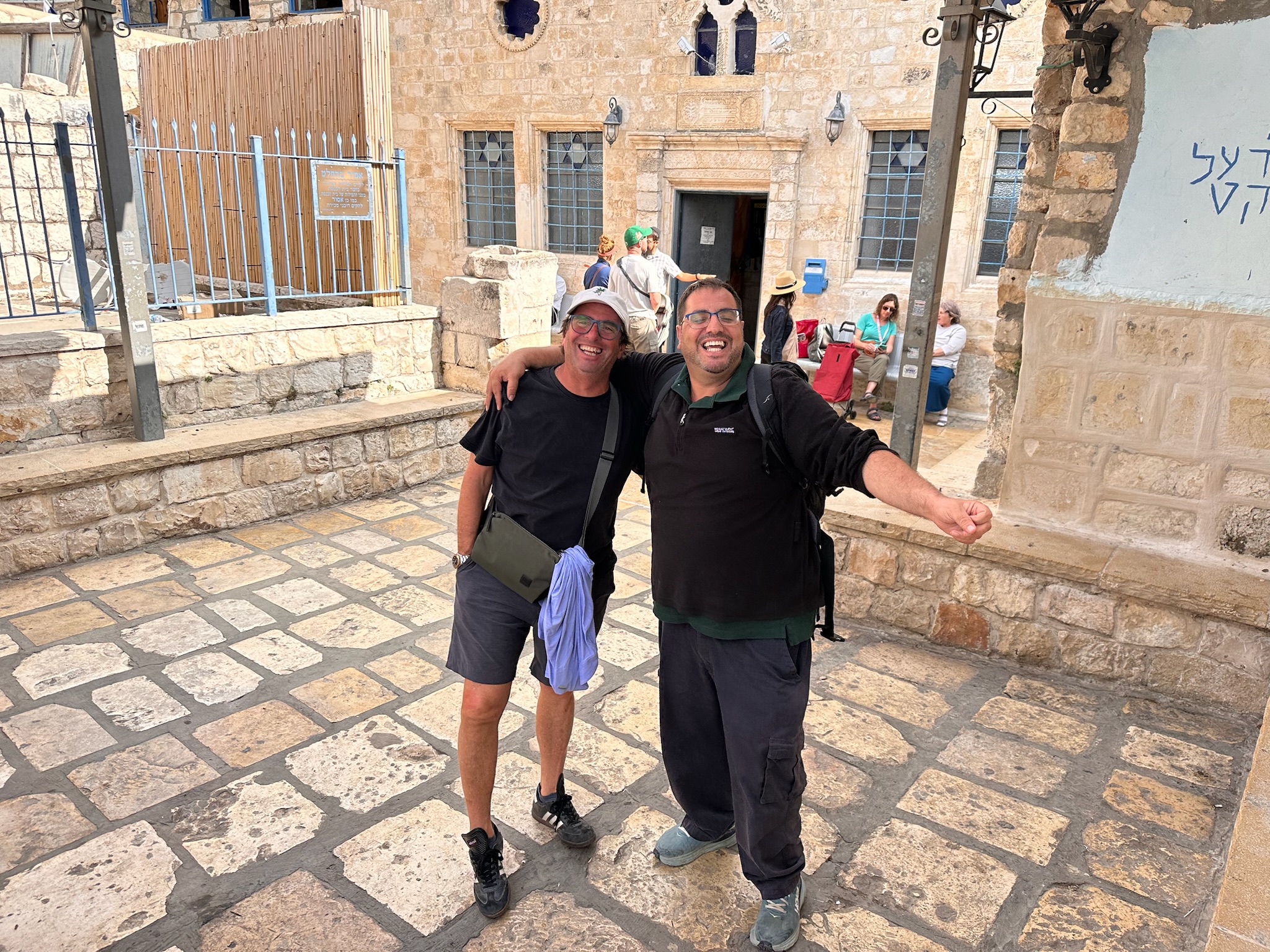
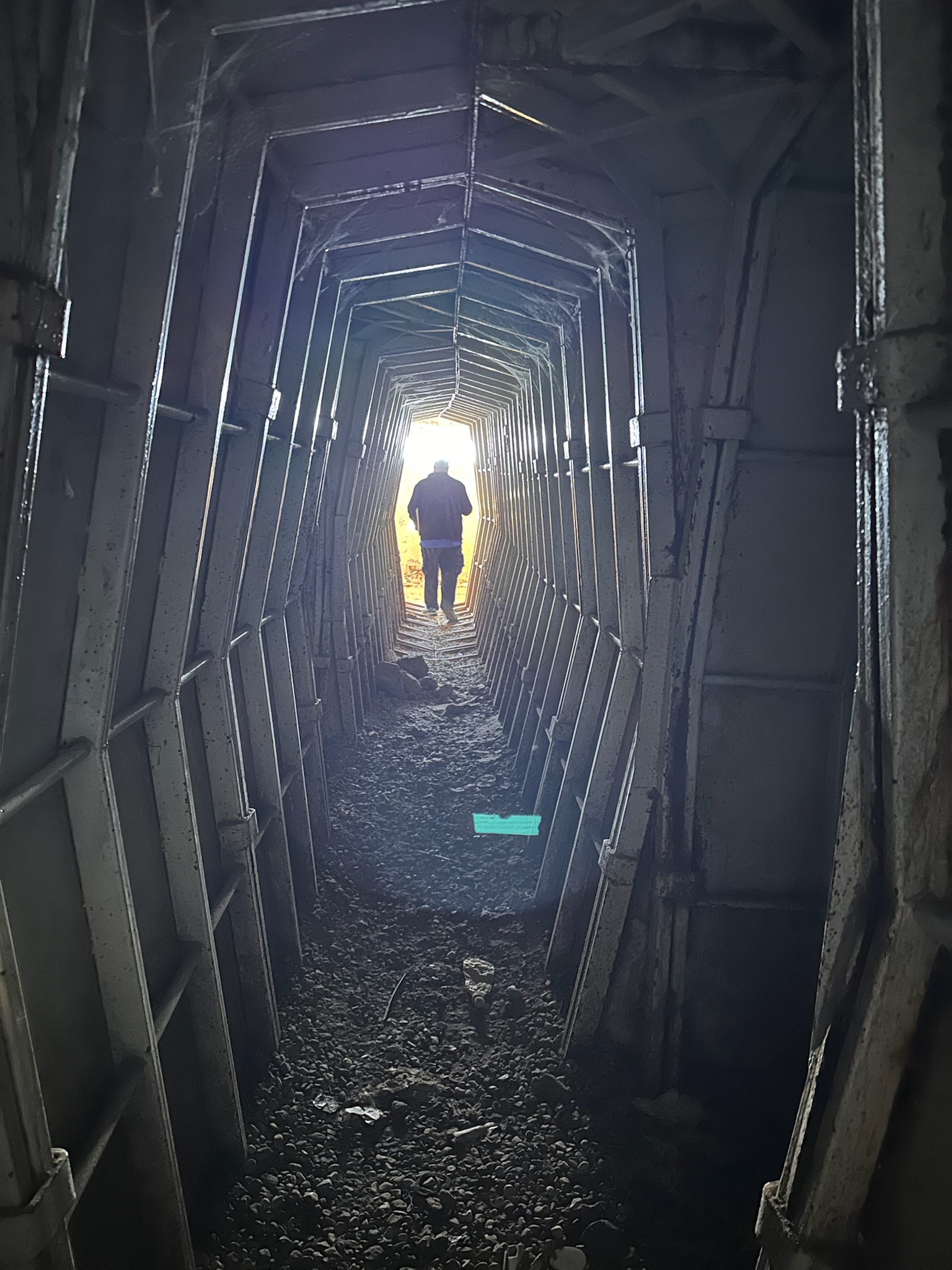
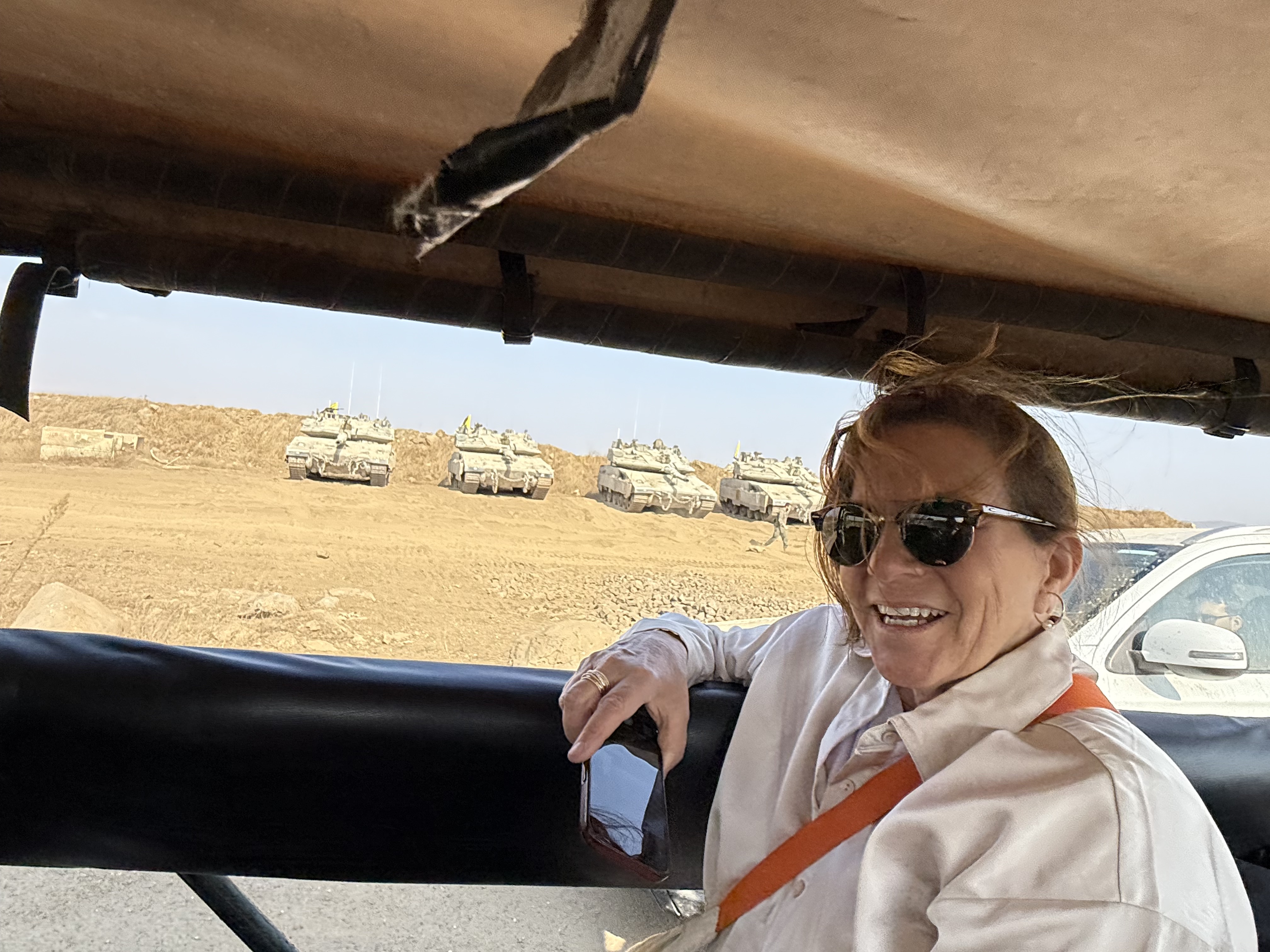
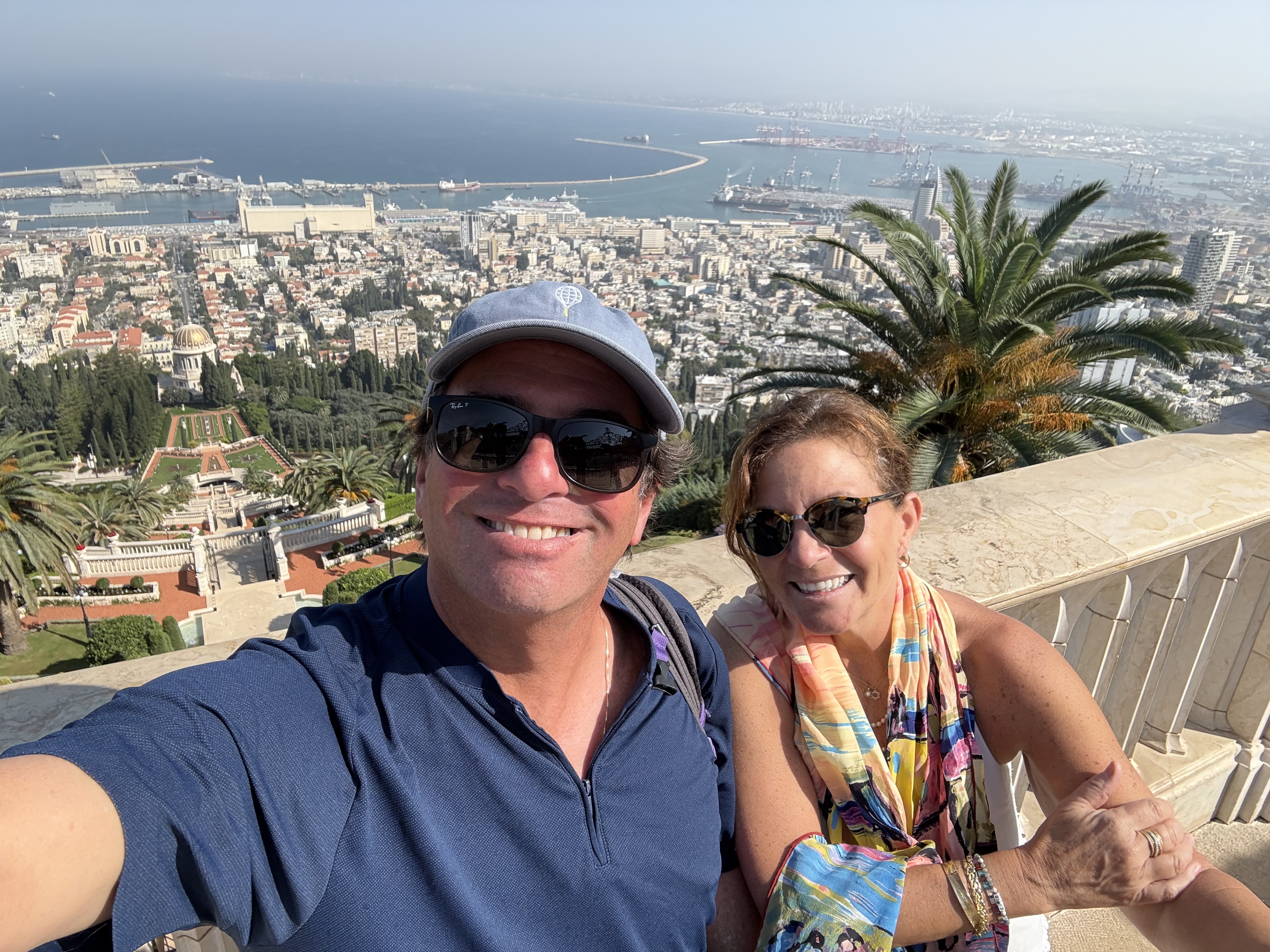
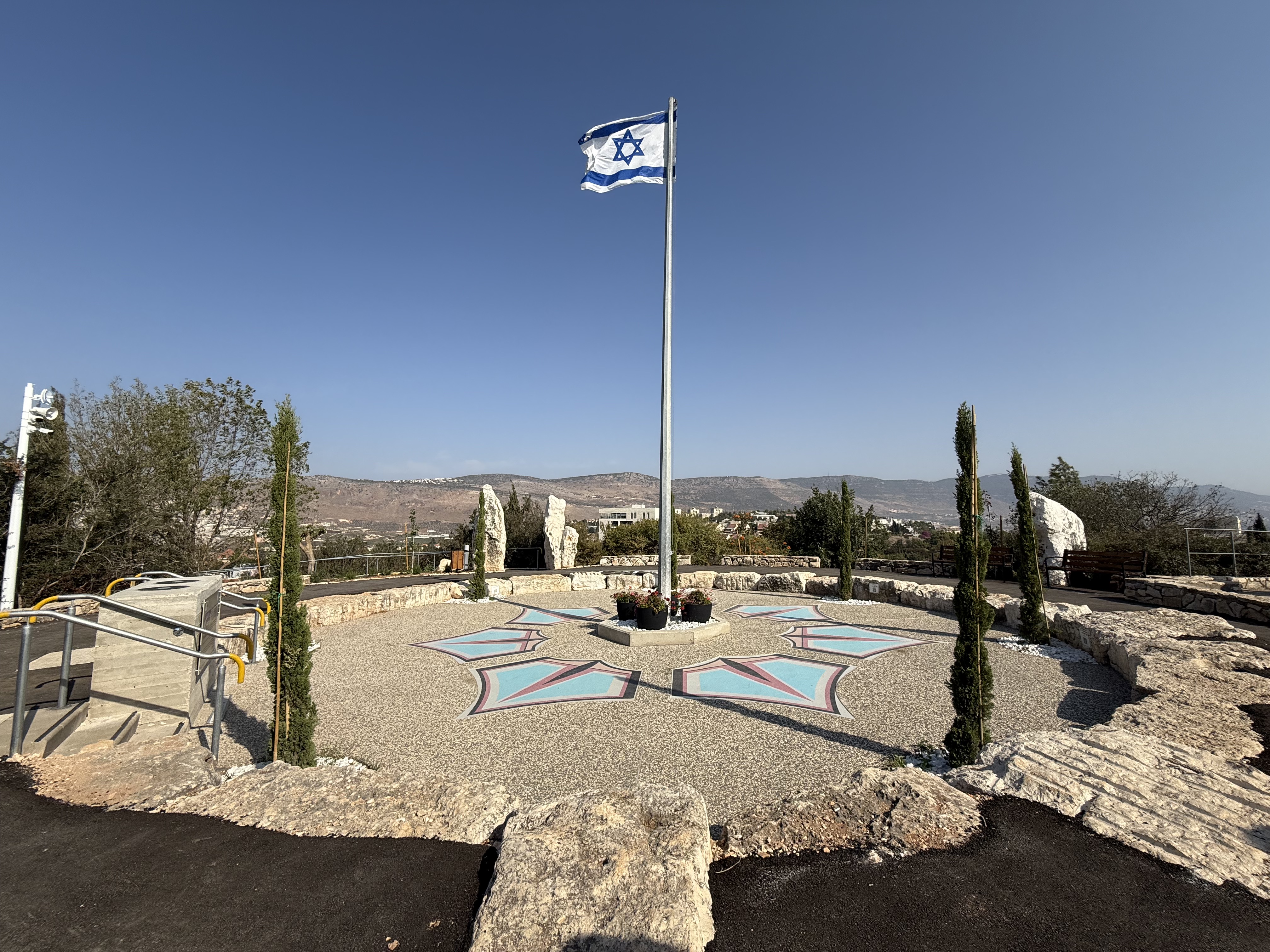
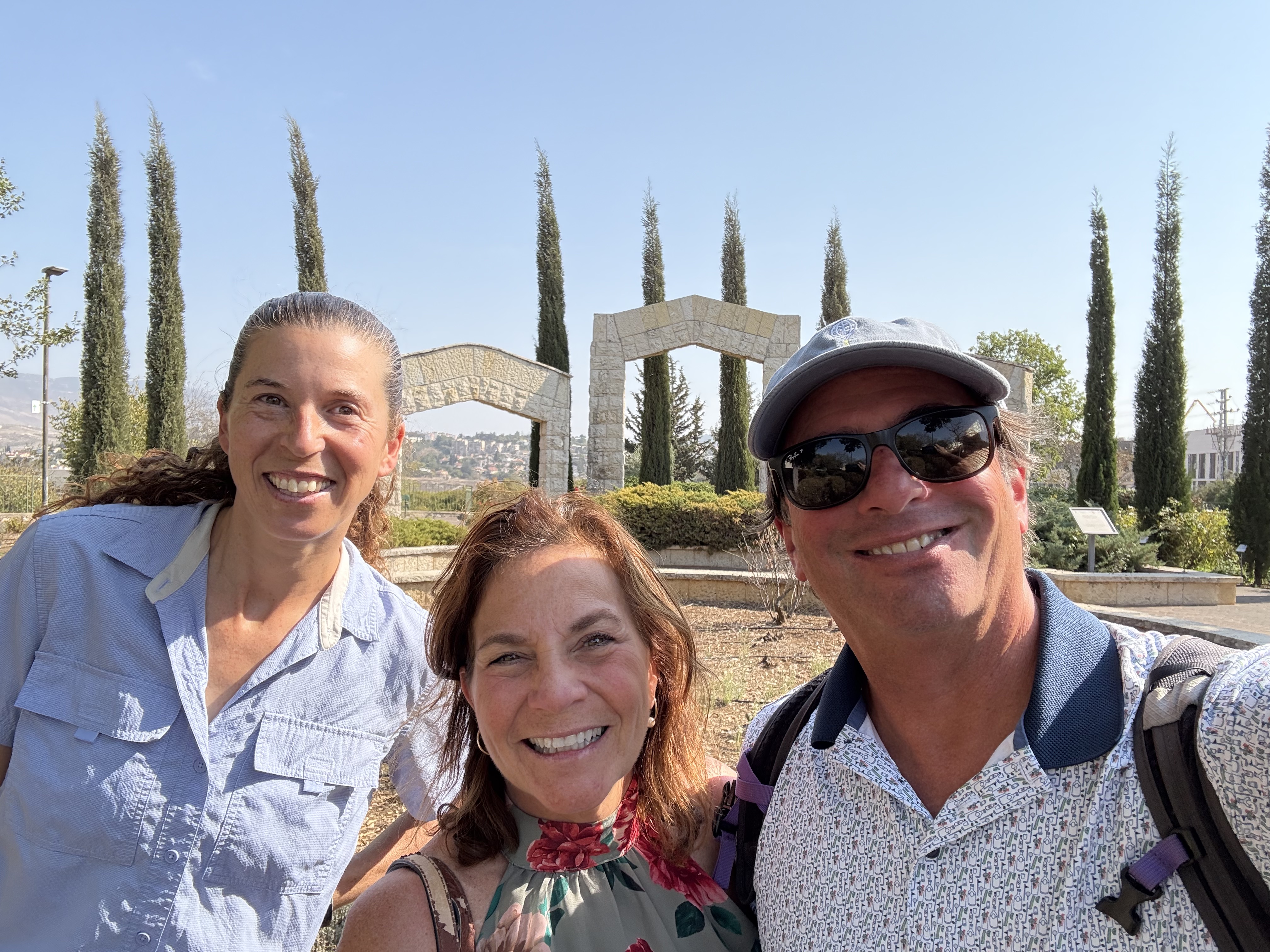
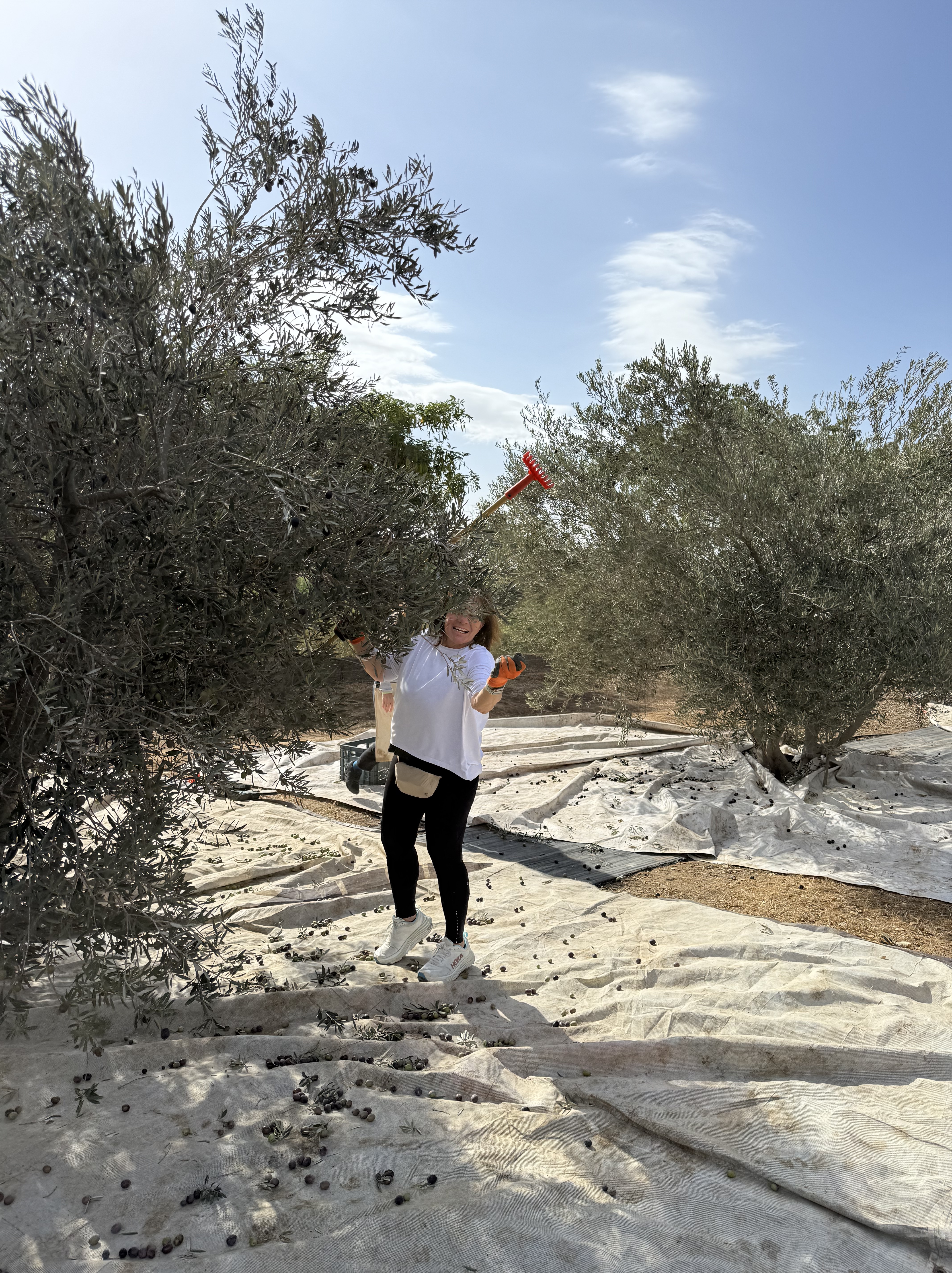
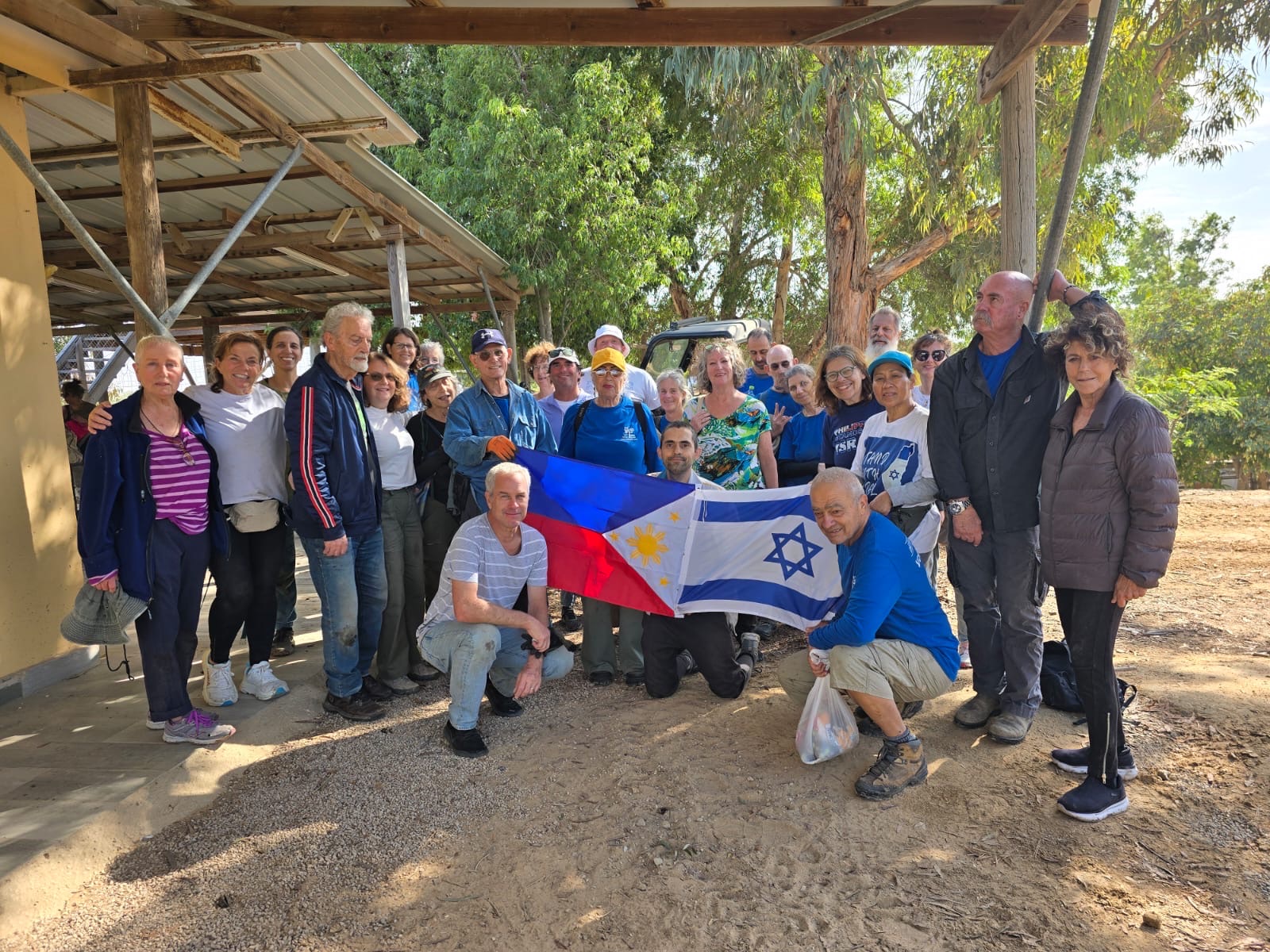
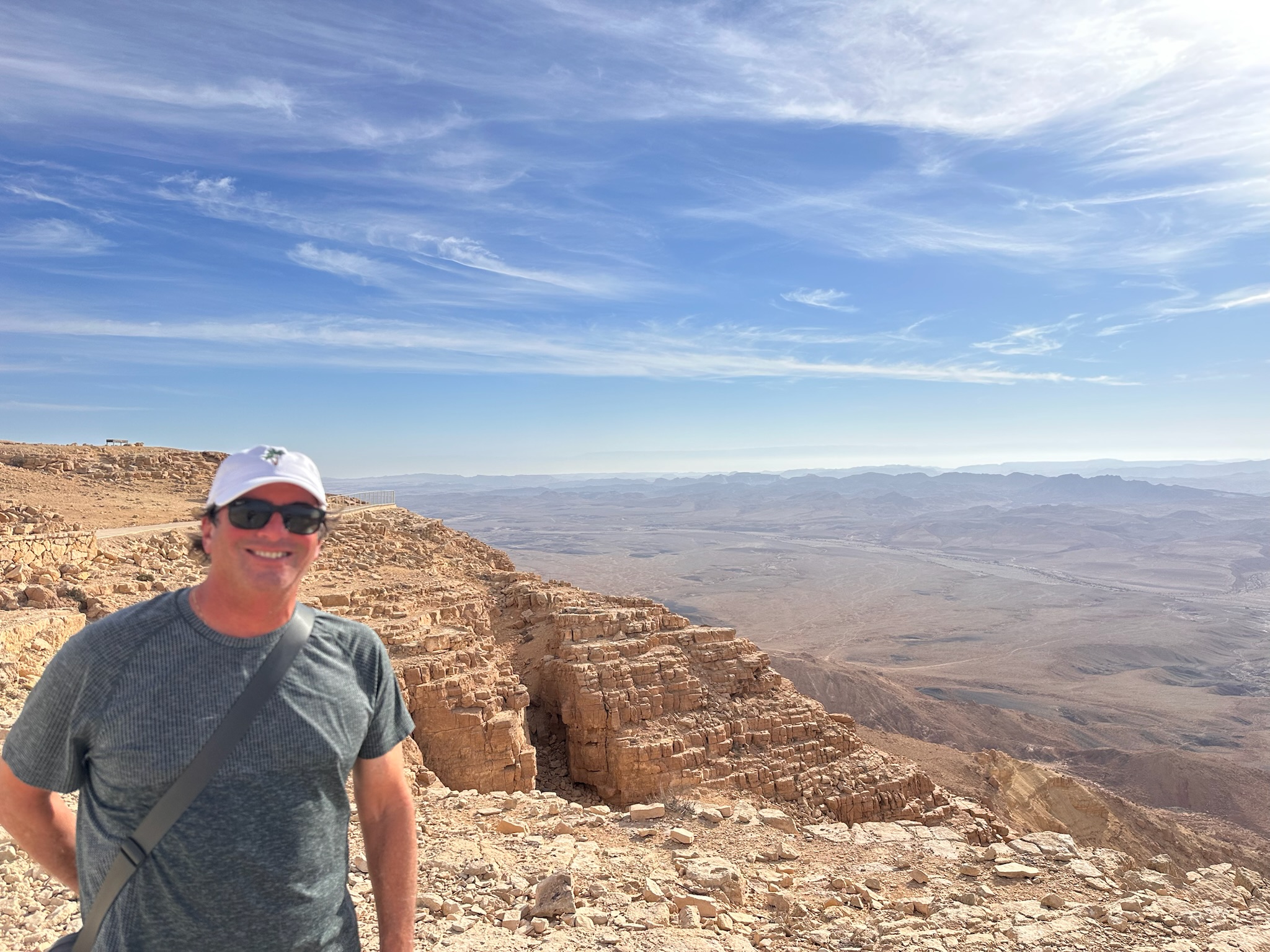
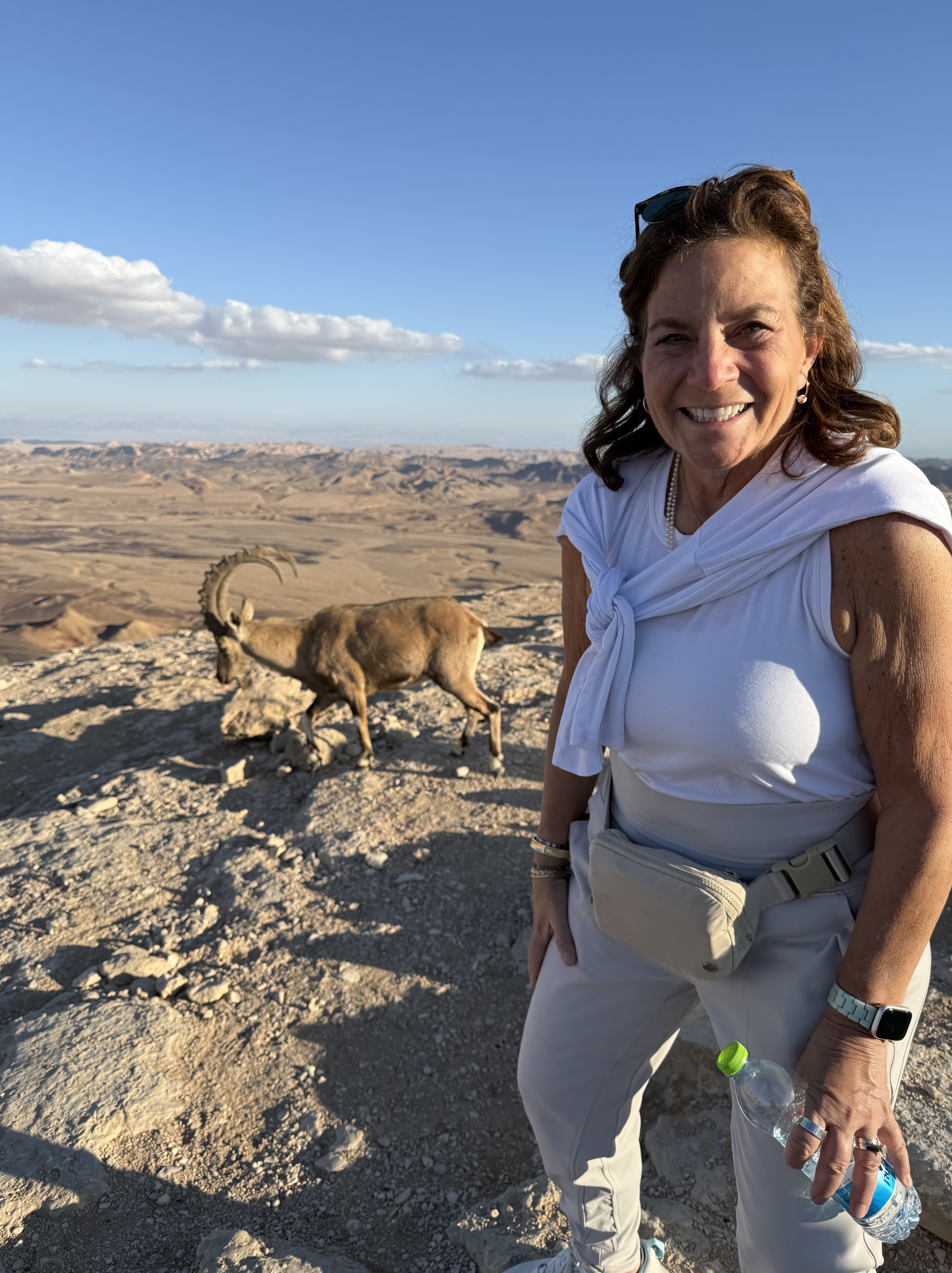
Around the country we spent a day at Masada (as breathtaking as we remembered), Ein Gedi (a true oasis in the desert), and the Dead Sea (hey, we’re floating!); did a tour of the Old City of Jerusalem with our great guide, Avi, and spent time wandering the eclectic Machane Yehuda market; took a two day trip to Tzfat and the Golan Heights with another great guide, Itzik, sleeping overnight at a cute hotel/resort at Kibbutz Merom Golan; spent a “heavy” day in the Gaza envelope, visiting Sderot, the car cemetery, the shelter where Hersh Goldberg-Polin sought refuge and from which he was captured and taken hostage, and the Nova festival site, all of which were heart-wrenching; did an overnight stay at the awesome Bereshit hotel perched on the edge of the Ramon Crater in the Negev; took a daytrip to see the Bahá’í Gardens in Haifa and walked the Old City in Akko, culminating with a great meal at restaurant Uri Buri overlooking the fortifications and the Mediterranean; spent a day volunteering with others at an olive farm in the South; did a day trip North and were led on a wonderful and informative tour of Karmiel, Pittsburgh’s sister city, graciously guided by Kim Salzman, Jewish Federation of Pittsburgh’s Director of Israel and Overseas Operations, especially their beautiful and touching Tree of Life memorial and the Mahal volunteer integration program, and visited our dear relatives at their home in Kfar Vradim.
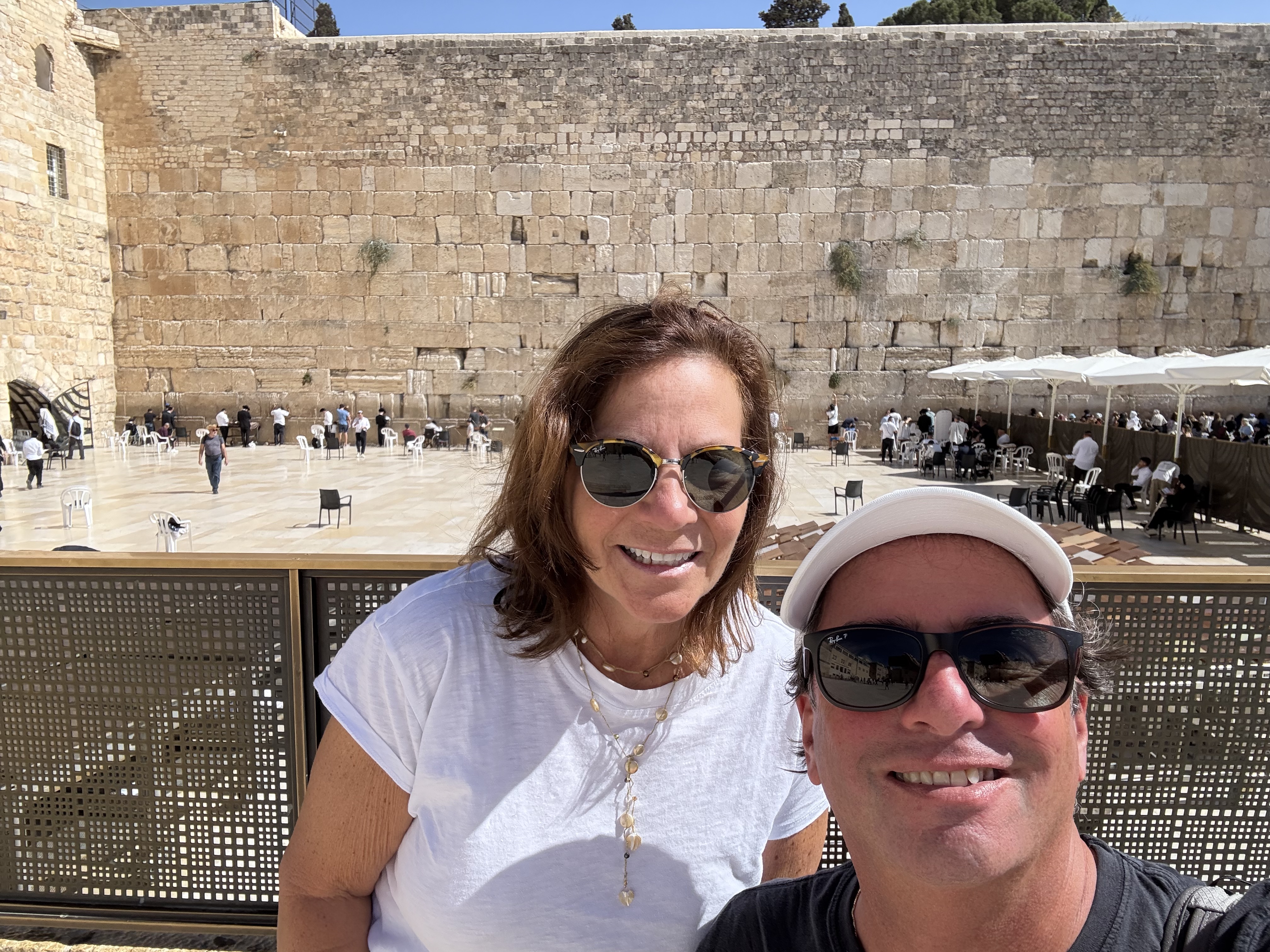
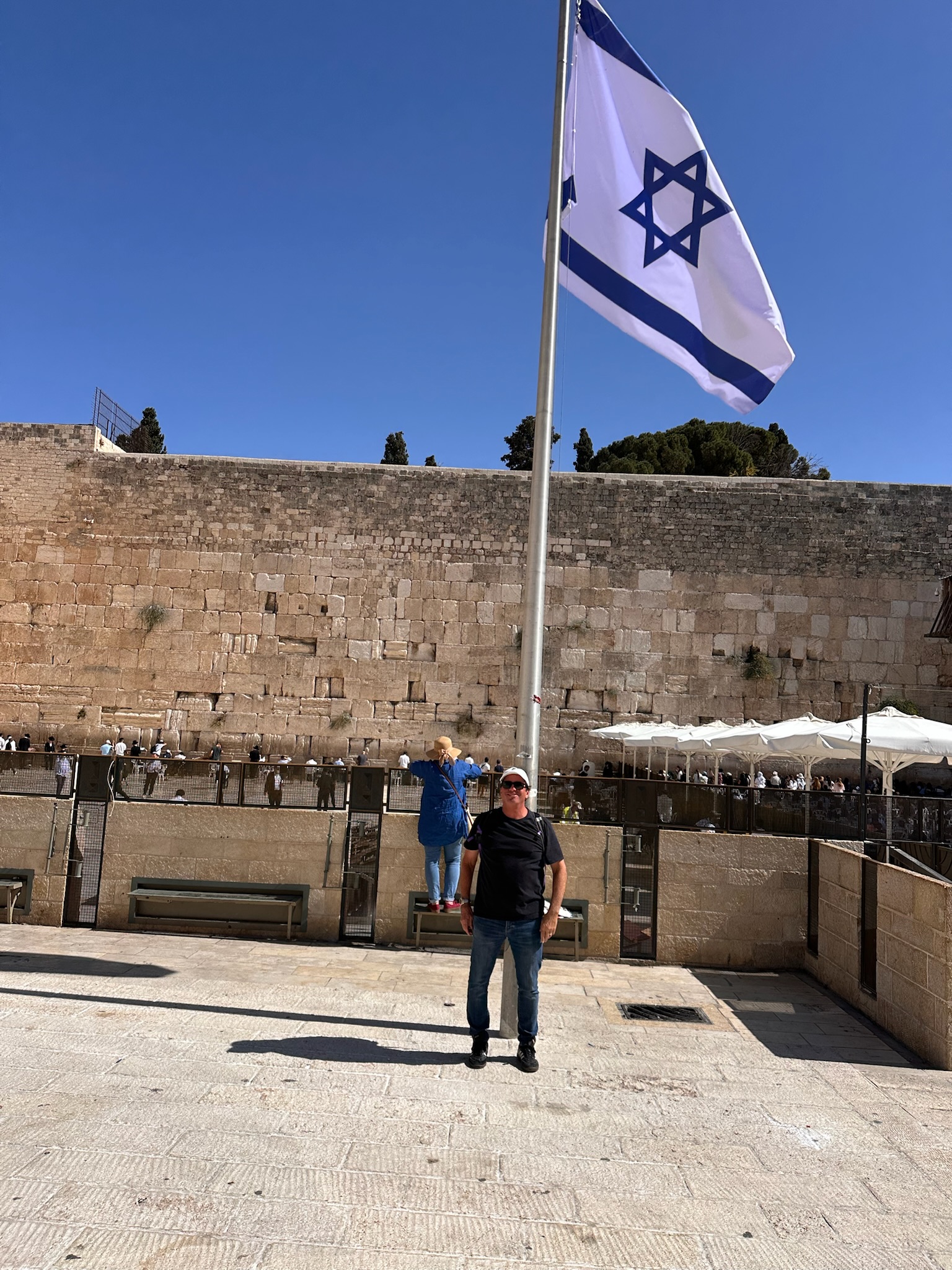
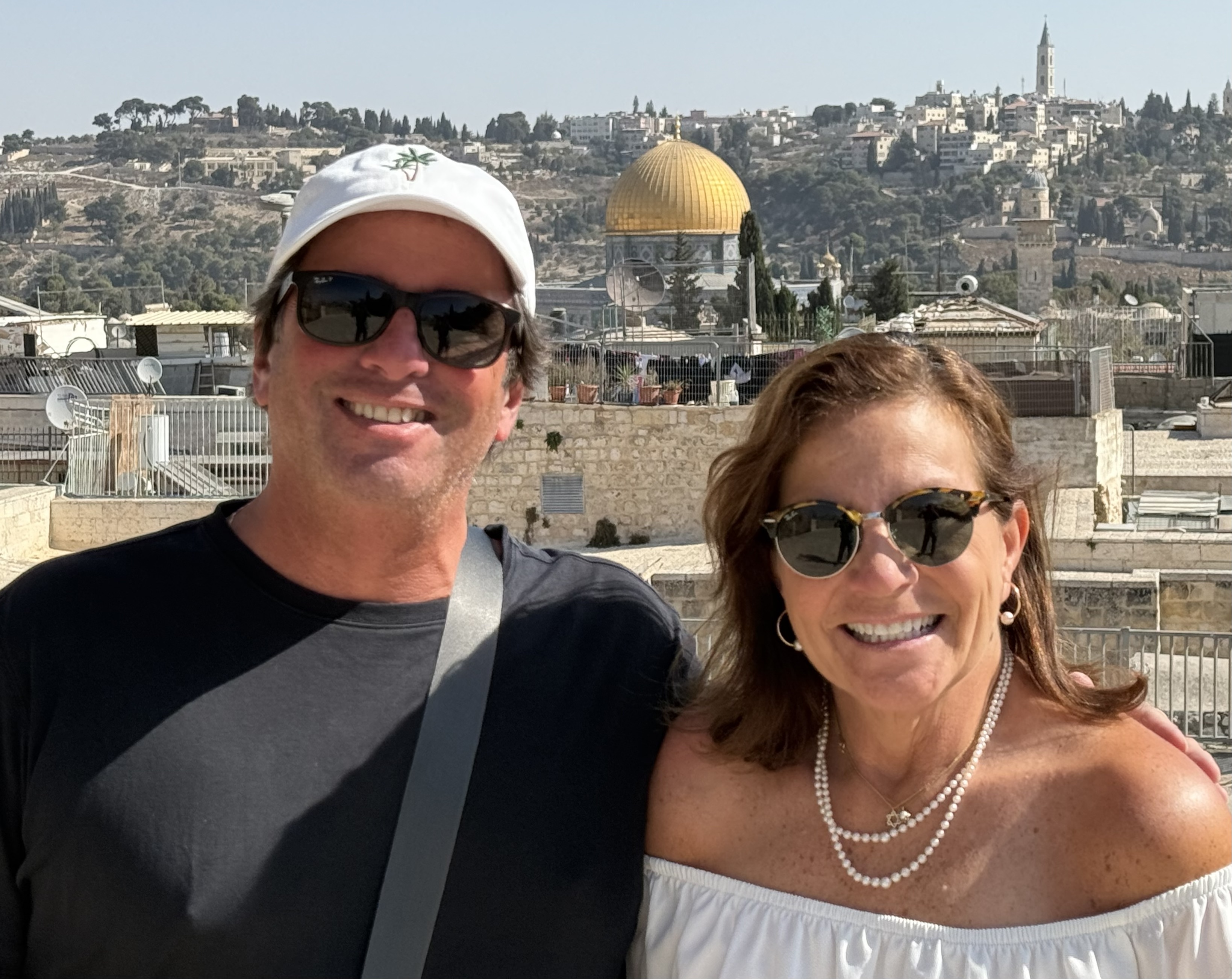
It is hard to describe our emotional state while touring through Israel and living in the country for our six week stay. Of course being on top of Masada or at the Western Wall or just seeing the walls of the Old City lit up at night brings on a myriad of emotions, as did visiting the Nova Site and Yad Vashem. But also walking the streets on Shabbat, being wished Shabbat Shalom over and over again and finding ourselves gradually adapting to the slowing down of life that Shabbat brings on Friday nights and Saturdays, hearing the language being spoken by everyone around us that is the language of our ancestors, watching the vibrant scenes on the Tel Aviv beach of people playing volleyball and soccer/table tennis and doing yoga handstands and of families strolling the Tayelet—witnessing all of those things and realizing that there we were, in Israel, our historic ancient homeland, and that we were one with all of it and everyone around us. It brought us a sense of comfort and of being that is unique to that place and to which we felt an innate connection.
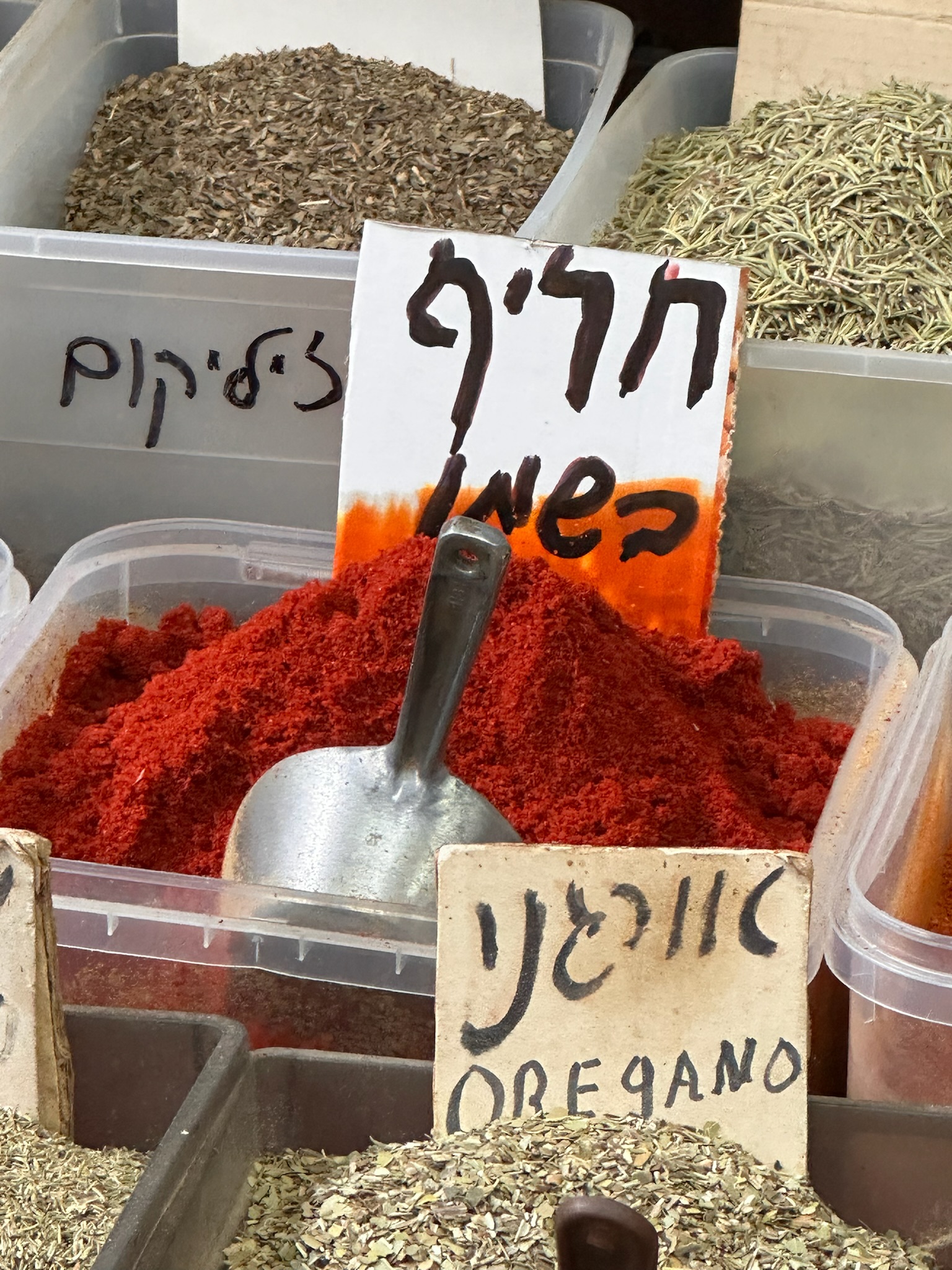
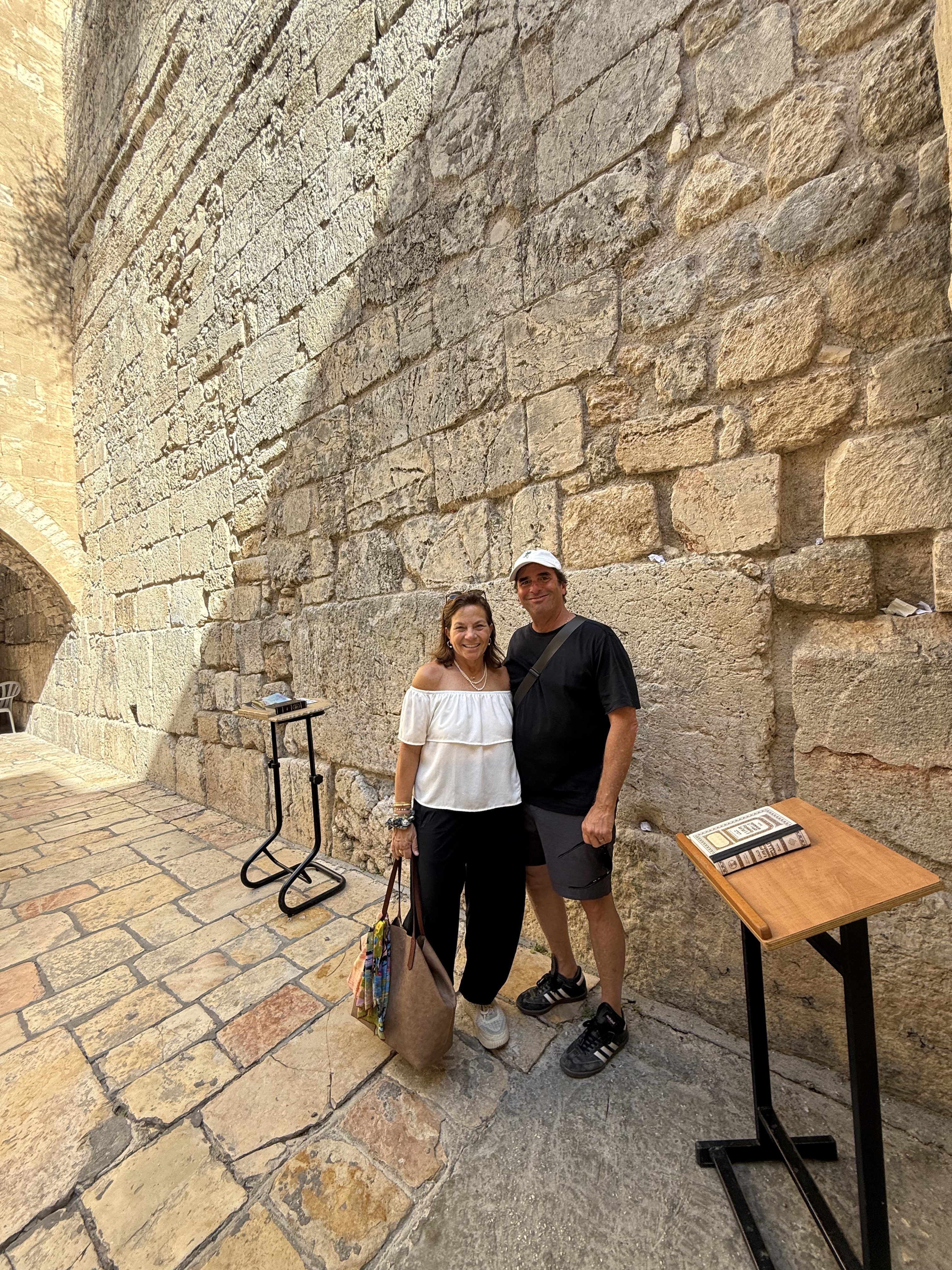
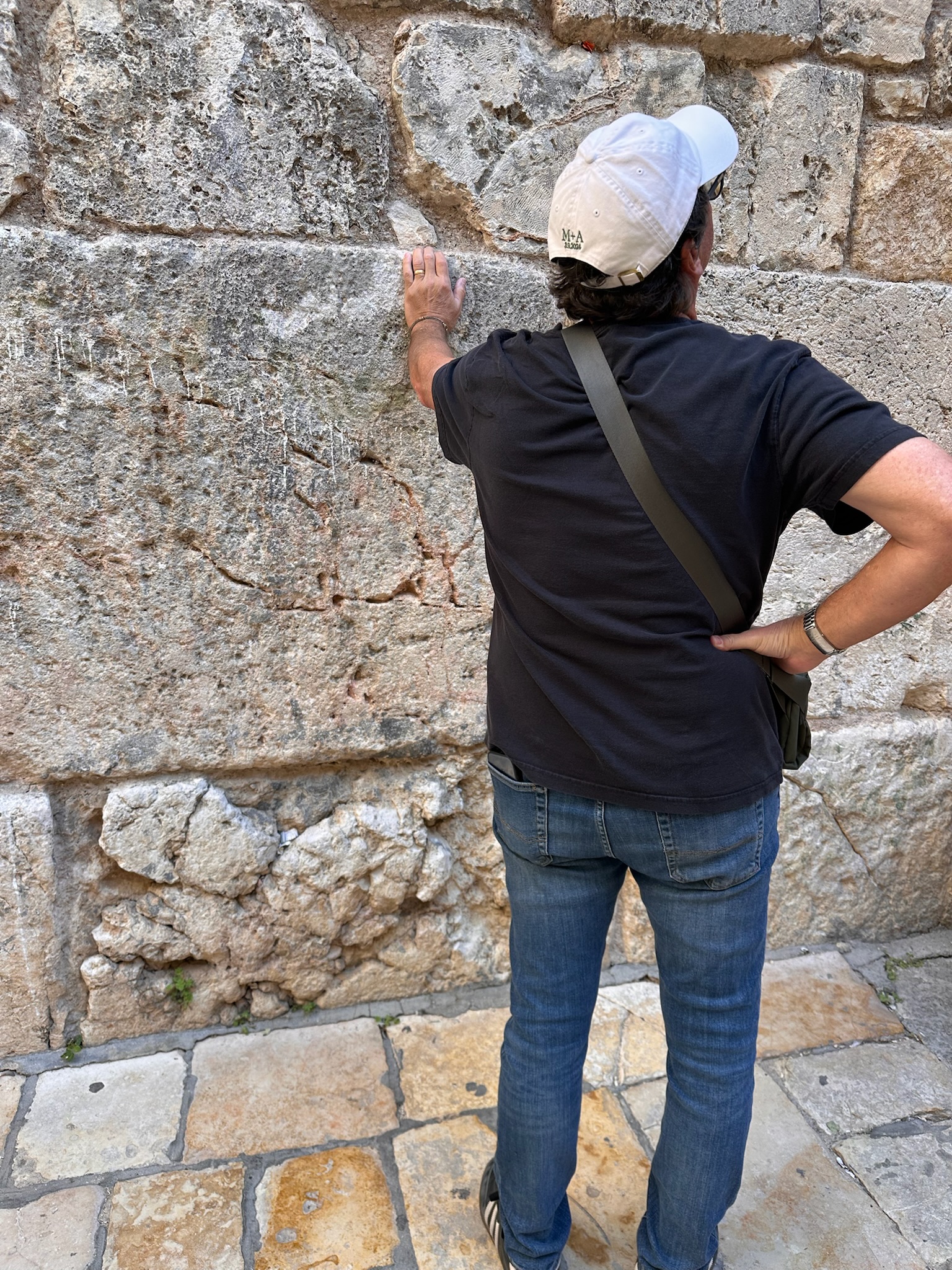
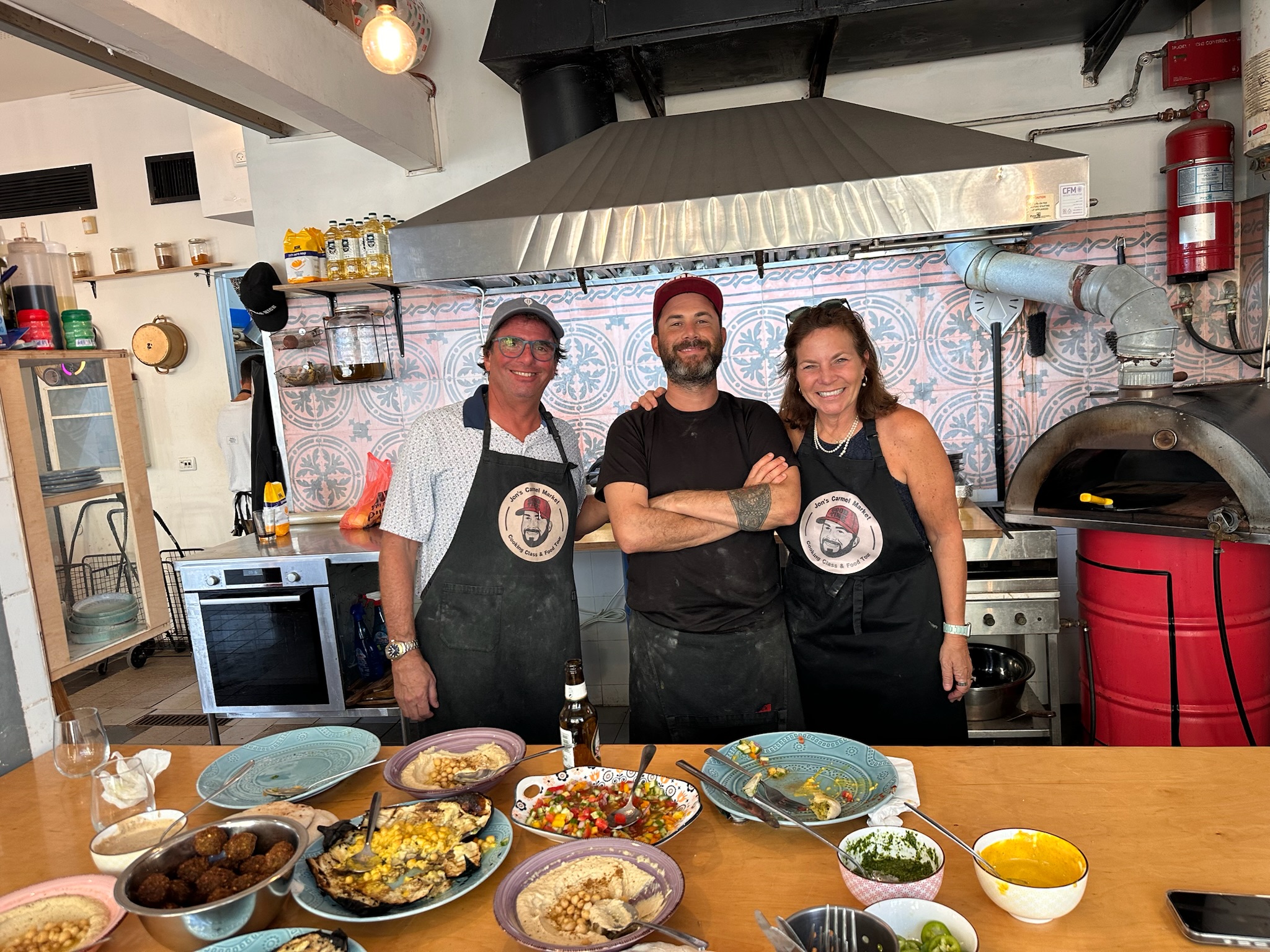
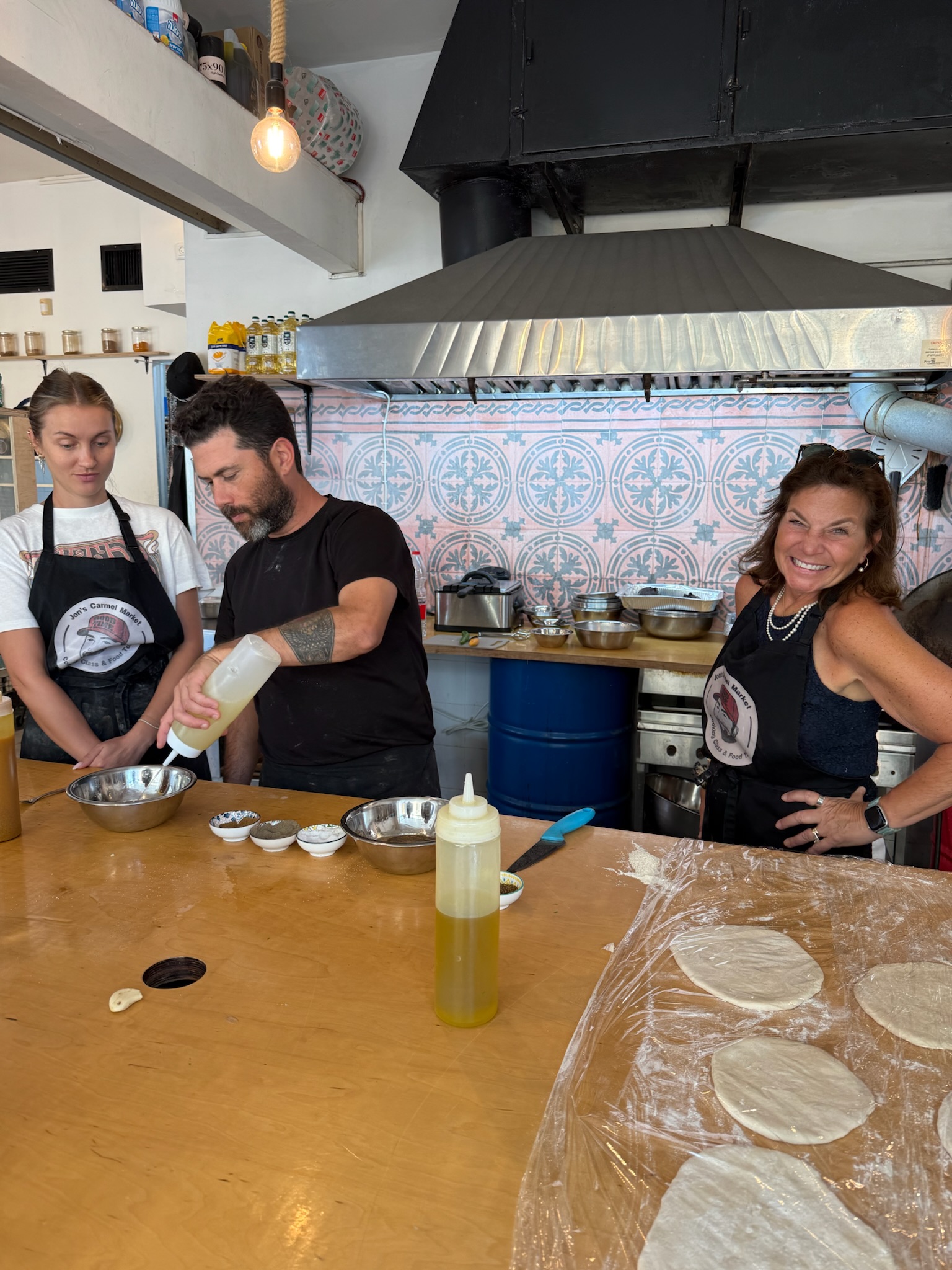
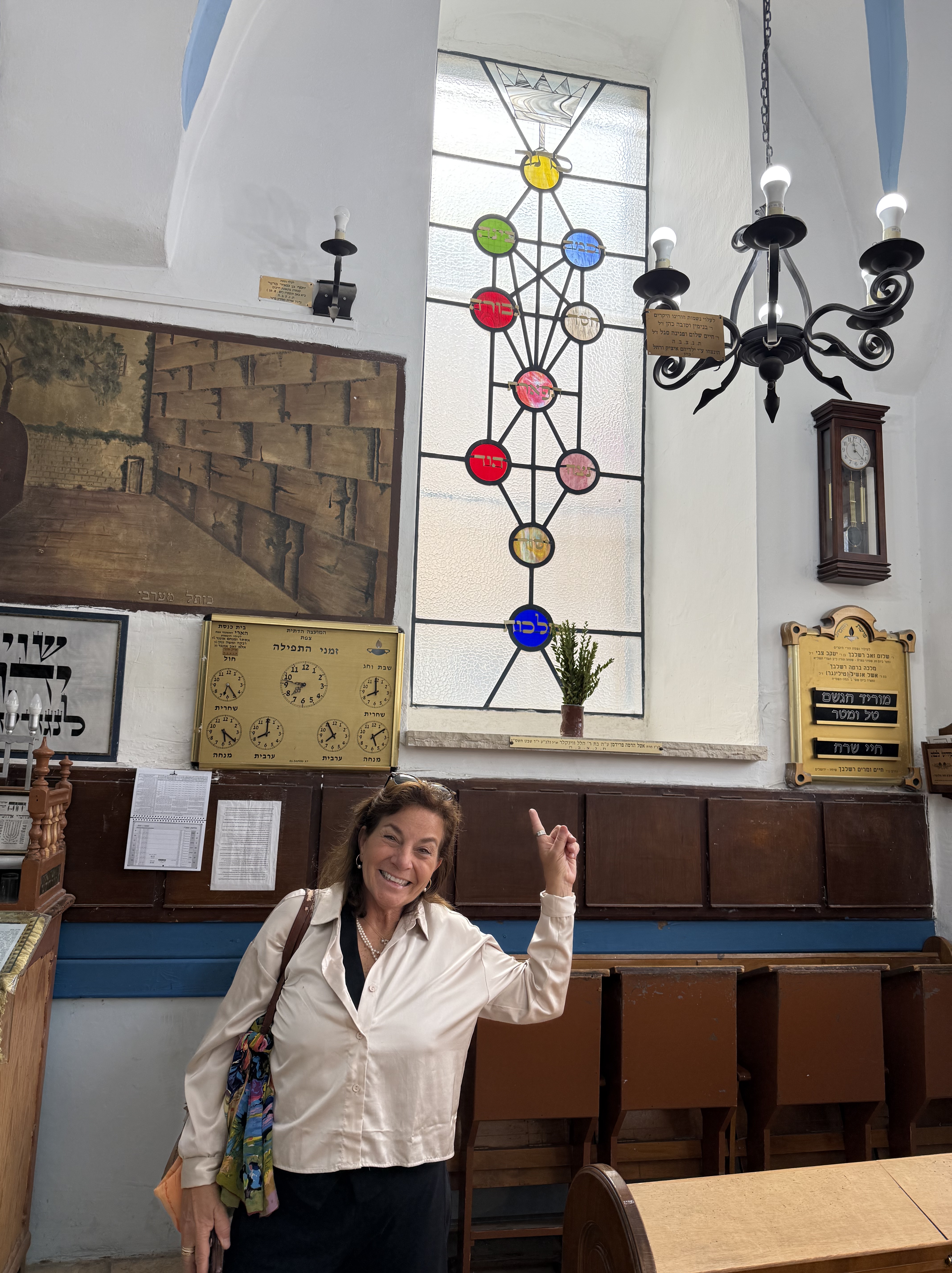
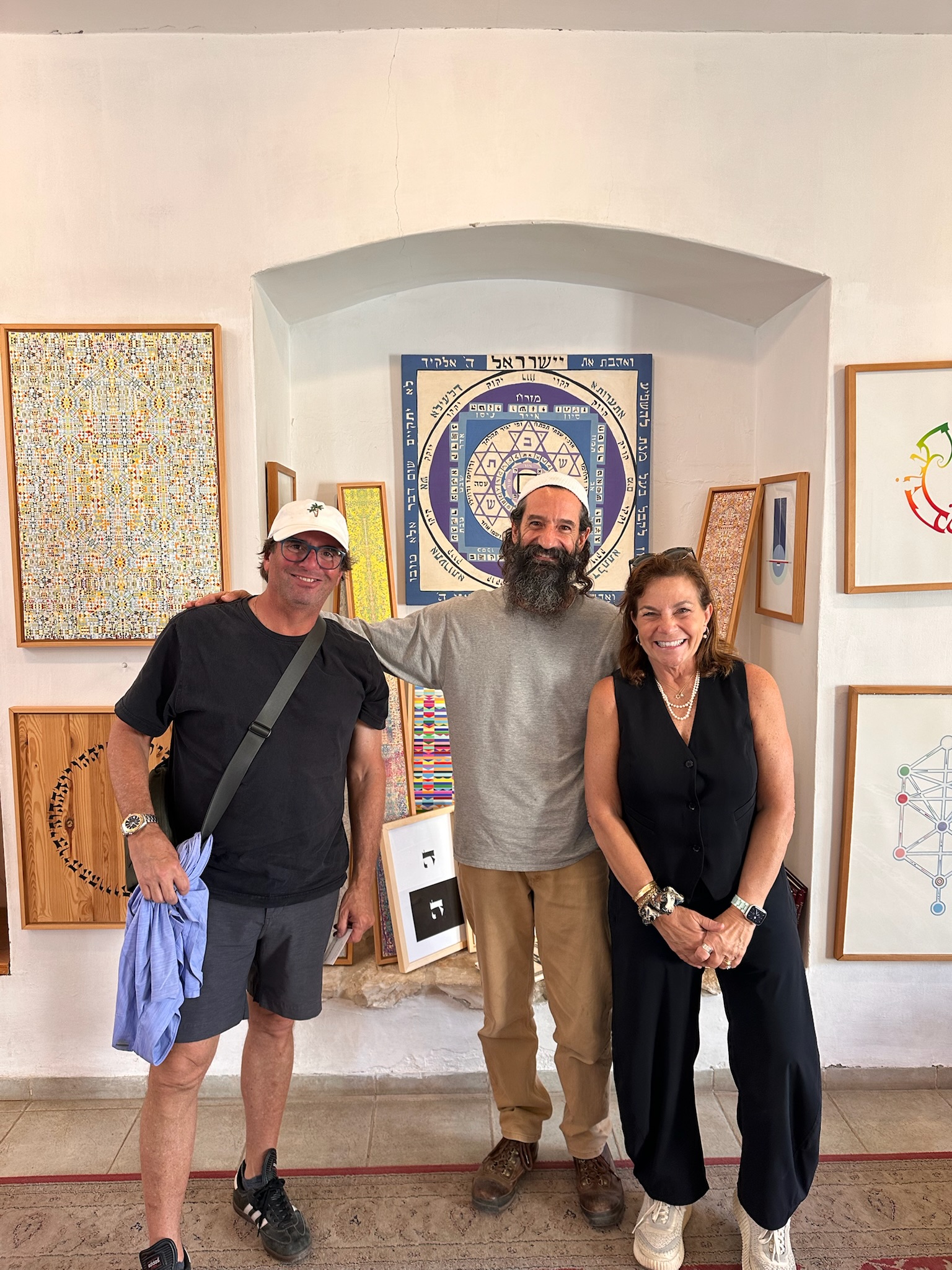
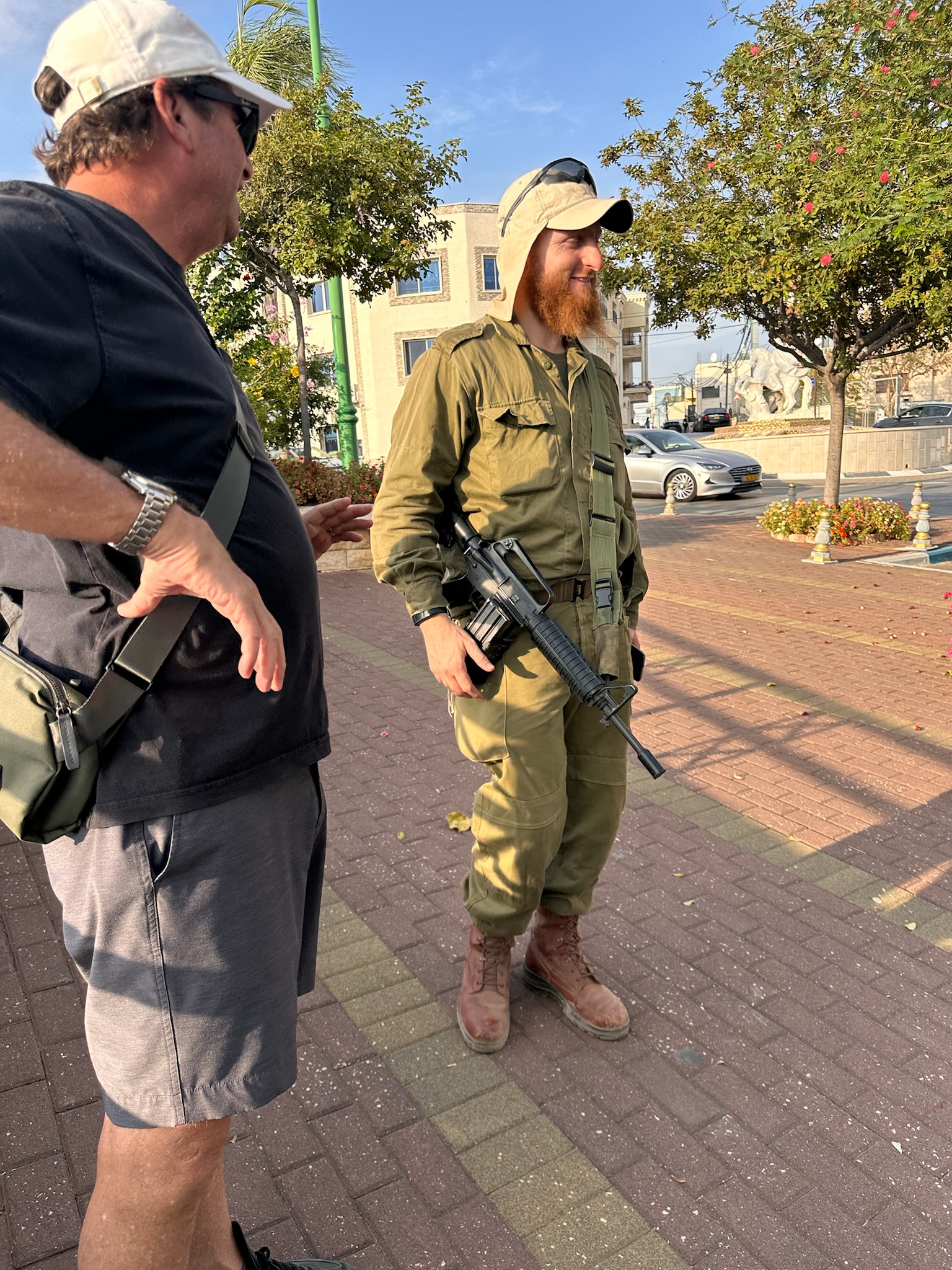
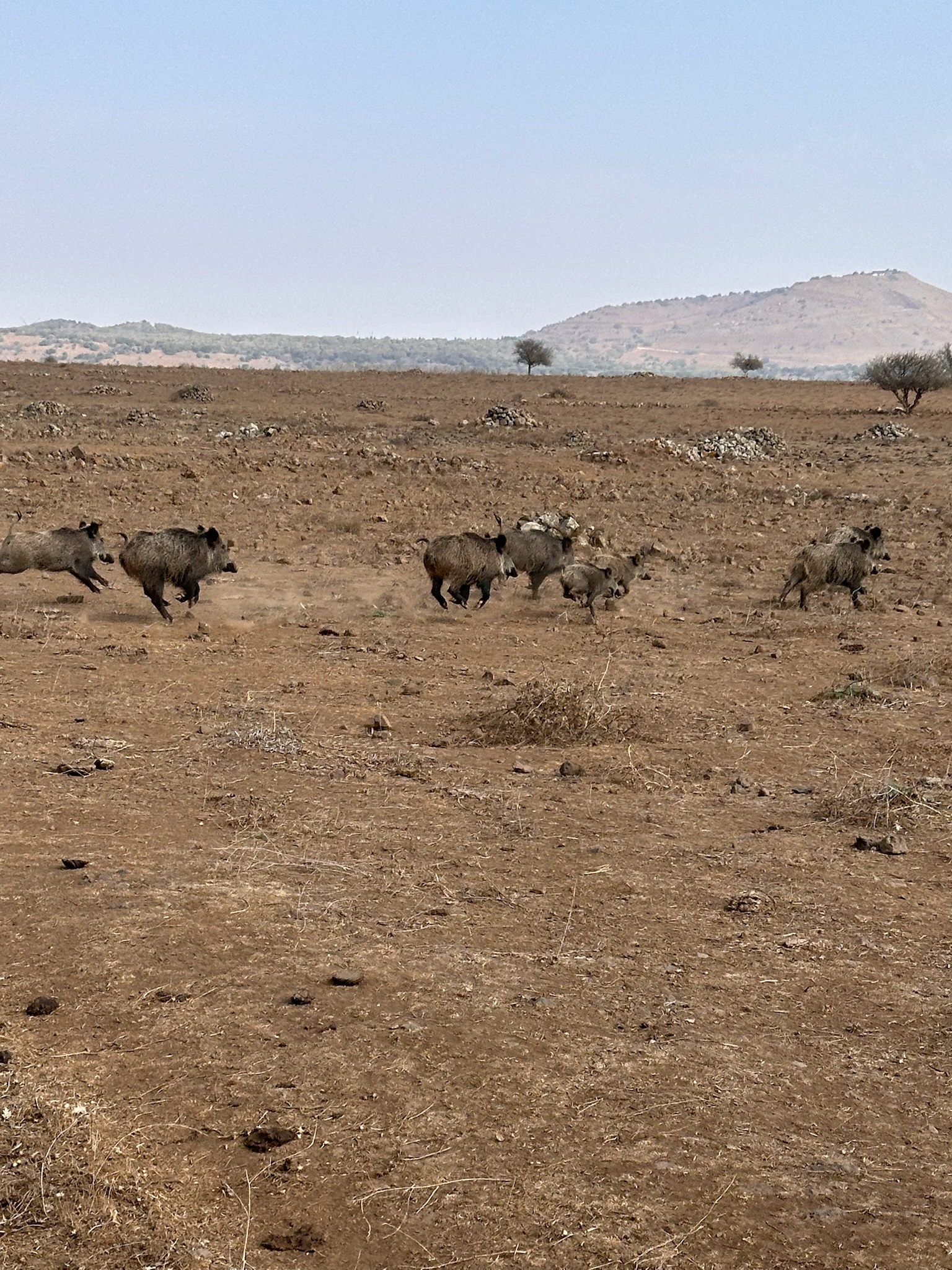
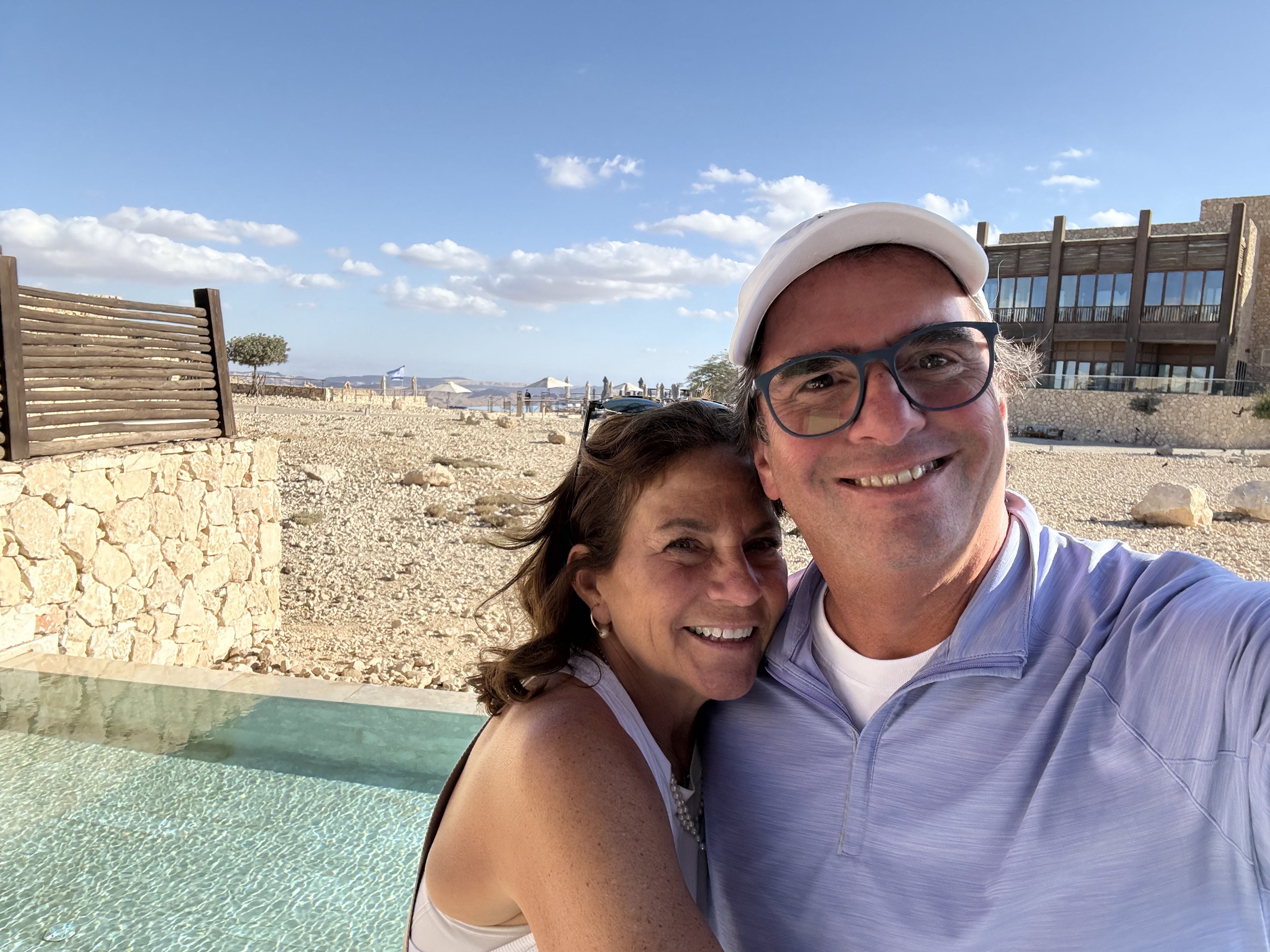
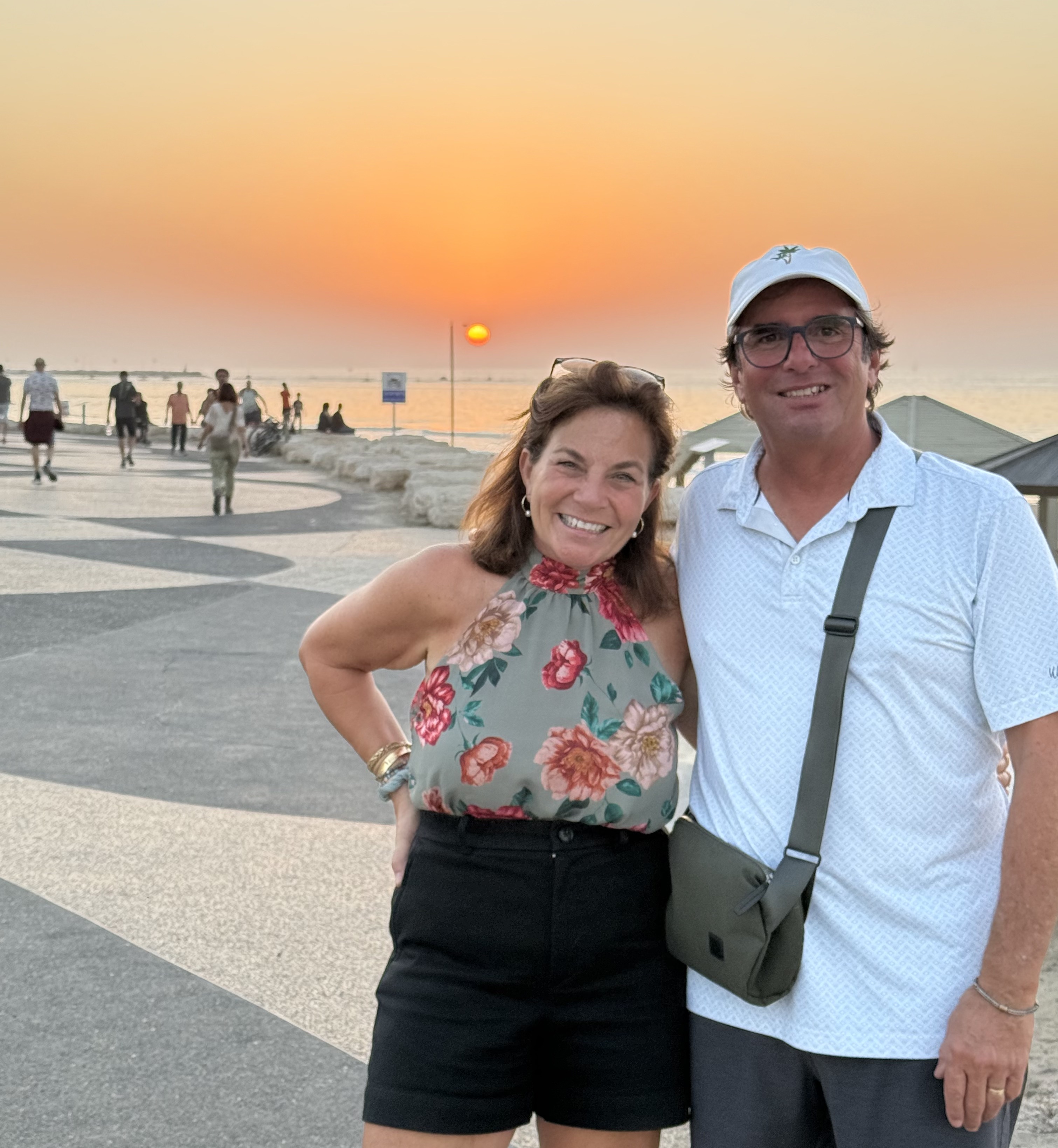
The highlights of this Semester: rolling out of bed, jumping on the high speed train, and arriving in Jerusalem in just thirty minutes; watching a herd of wild boar running during a Jeep tour of the Golan Heights; praying together (not separated) at the Small Wailing Wall in the Muslim quarter of the Old City; volunteering picking olives in the Gaza envelope; taking a cooking class and tour with Jon’s Carmel Market Class where we found all of the best spice merchants in the Shuk and made tahini, falafel, and pita from scratch; stumbling upon a warehouse of art and meeting the famous modern Kabbalah artist, Zygo; visiting Ghajar, the charming Alawite Arab village on the border with Lebanon (not “near” the border, literally “on” the border, and some say the border runs through the middle of the village); wine tasting with IDF paratroopers at Pelter winery in the Golan Heights; learning about Kabbalah through the art of Detroit native Avraham Loewenthal in Tzfat; attending a live nighttime Jazz concert on the rooftop of the Ilana Goor museum in Yafo; touring the great exhibit on the history of the Jewish people at the Anu Museum of the Jewish People at Tel Aviv University; taking in the sunsets over the Mediterranean and walking along the Tayelet.
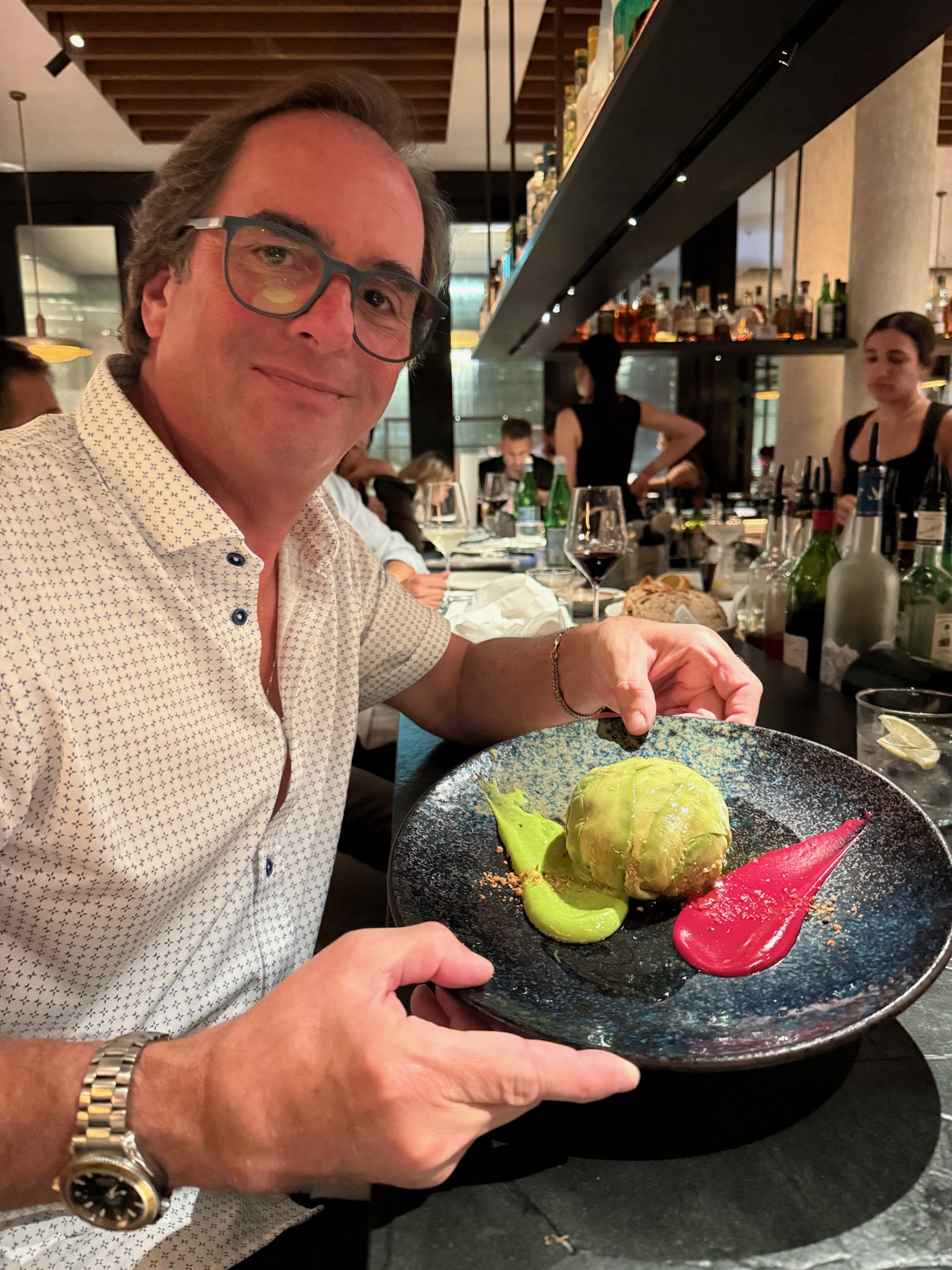
Some observations: Israelis have zero sense of personal space and as you approach each other they do not move out of your way—they will literally walk into you; motorized bikes and scooters (as well as motorcycles) ride/weave on sidewalks and bike paths and don’t care much to look out for pedestrians; word to the wise: even if a “helpful” person tells you that the best way to go into the Old City to get to the Western Wall is through the Damascus Gate, don’t take that advice (use the Jaffa Gate); it is lovely to hear everyone say Shabbat Shalom and Good Shabbos everywhere you are on Fridays and Saturdays; similarly, it is so nice to see Mezuzahs on every door, even on stores, warehouses, museums, etc.; you can respond universally with Beseder or Sababa to almost everything said in Hebrew to you, even when you don’t understand Hebrew; Pines Street is not pronounced like the tree (think—body part ; )); every street in Tel Aviv seems to lead eventually to the Shuk; the ceviche and crudo at every restaurant is fresh, fresh, fresh; bars are full of gins, tequilas, bourbons, and araks—vodka-not so much; beware of the nut merchants in the markets who leave their product uncovered—pigeons love to land in the nuts and take a bite or two.
Just like our last Semester Abroad, the trip started with us thinking we had so much time ahead of us, then the days and weeks flew by so fast. The lesson being: slow travel is anything but, because no matter where you go and for how long, unless you end up staying forever, the trip always comes to an end, and you always end up lamenting how it all went by so quickly. So, on our last day we found ourselves café hopping, eventually landing at Hotel 48 on Rothschild Boulevard, having an afternoon drink and watching the hustle and bustle of Tel Aviv move around us. We went over all of our amazing experiences from the previous six weeks, the places we’d visited and the people we’d met. Could we rate our Semester Abroad a success? Sababa!
Favorite Walking Park: Park HaMesila
Favorite Walking Street: Rothschild Boulevard
Best Meal Tel Aviv: Shila
Best Meal Jerusalem: Satya
Best Fun Restaurant Experience Tel Aviv: Port Sa’id
Best Fun Restaurant Experience Jerusalem: Machneyuda
Best Tried Restaurants: Bar 51, Barbur, Radler, HaBasta, Casino San Remo, Mezcal,
Café Noir, Florentina, Hakatan, Hashachaf, Mirage, La Shuk, North Abraxas,
Galliano, Taizu, Jasmino, Miznon, Beit Goldberg, Ouzeria, La Tigre
Best Shawarma: Mifgash Rambam
Best Non-Meat Street Food: HaCarmel 40
Best Falafel: HaKosem
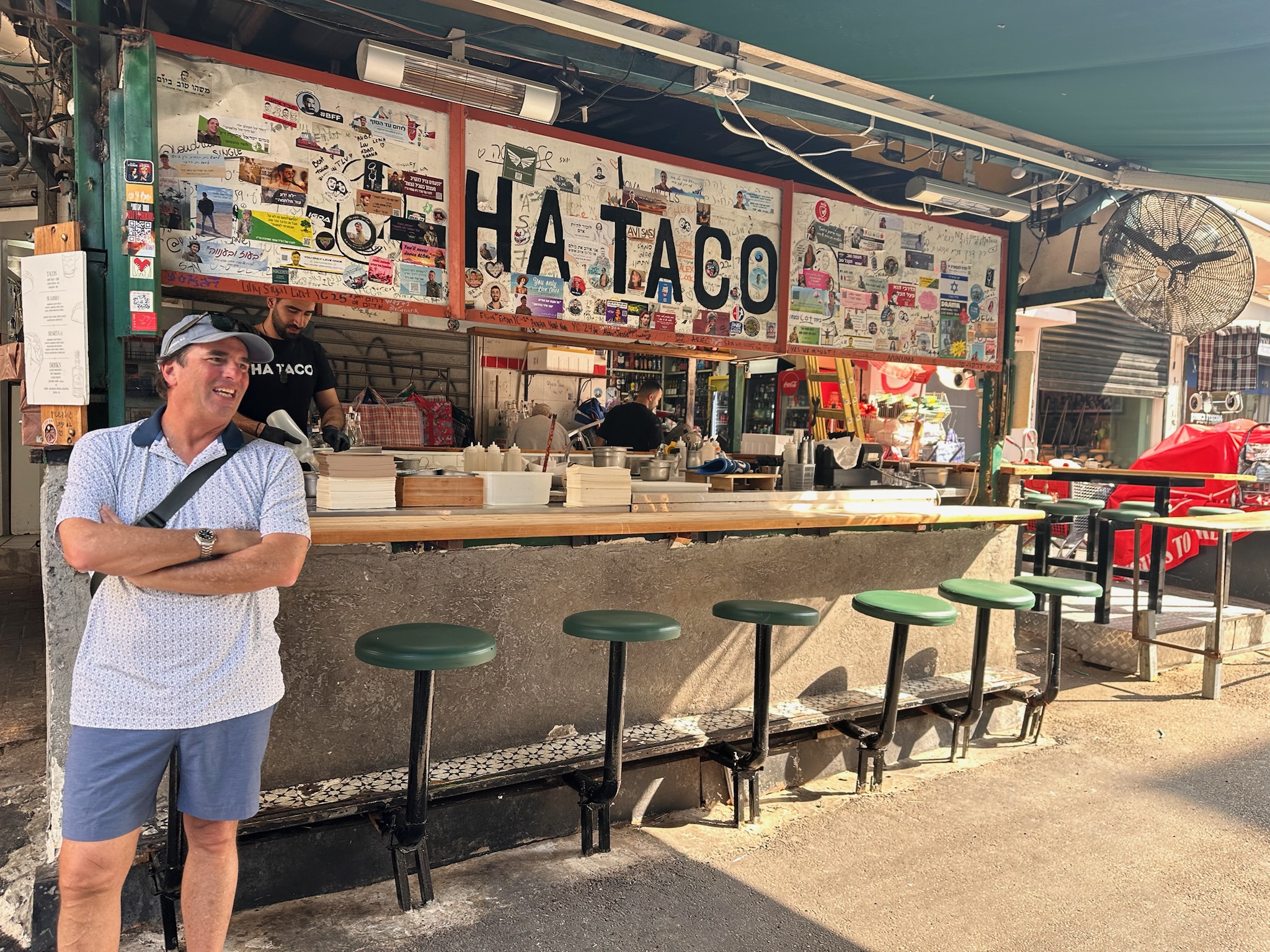
Best First Bite: HaTaco
Best Bread: Hagay Bread
Best Bakery Cafe: Seniora Bakery
Best Coffee Cafe: Petit Verre
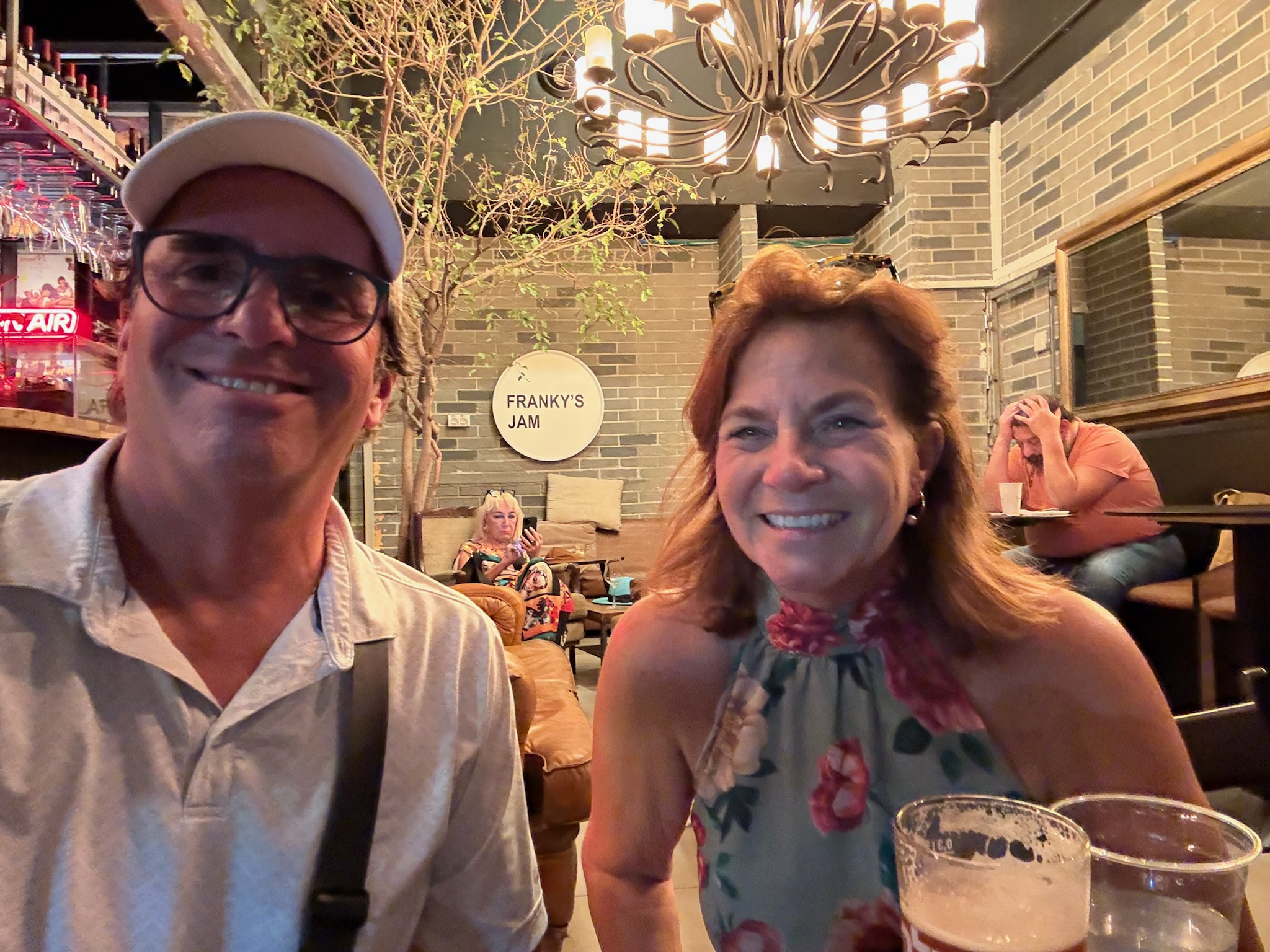
Best Sidewalk Drinks Café: Franky’s Jam
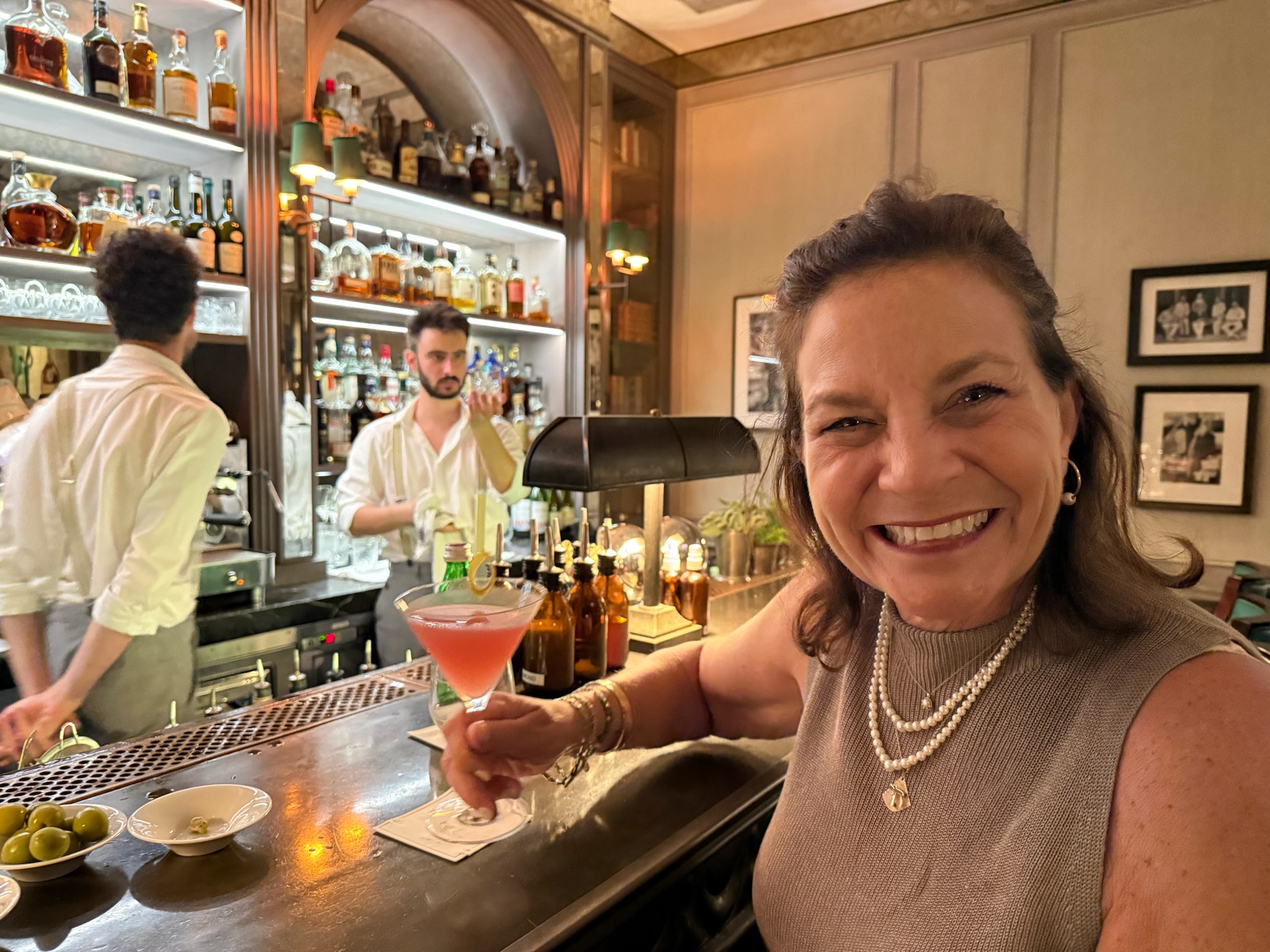
Best Hotel Cocktail Bar: The Library Bar at The Norman
Best Cocktail Bar: Bitter
Best Place to Grab a Late Afternoon/Happy Hour Drink: Hotel Cècil
Best Ice Cream: Cassata (the Crème Fraîche with Olive Oil and Salt)
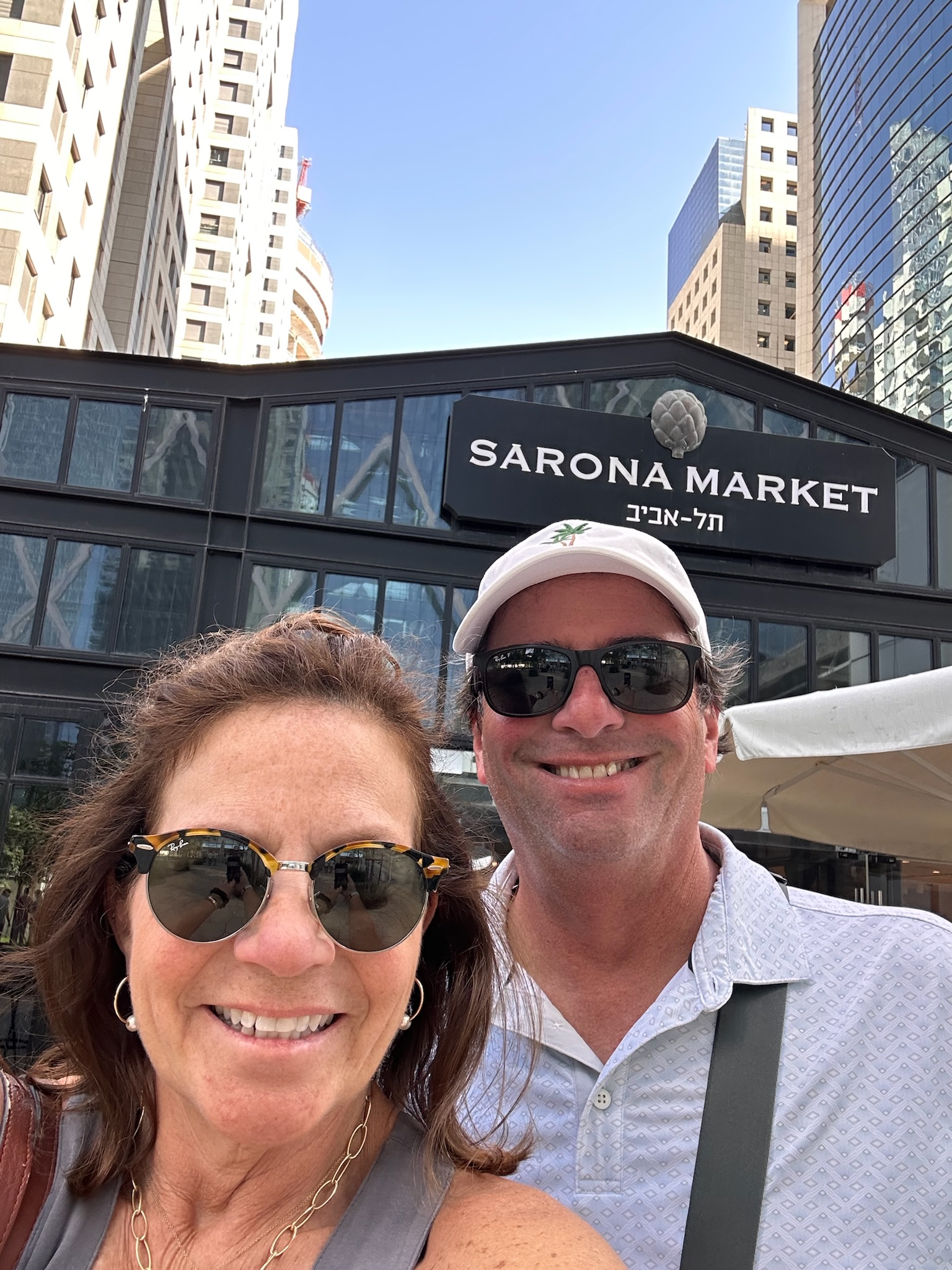
Best Market to Wander: Carmel
Best Market for Nuts: Levinsky
Best Street Food Any Day of the Week: Mifgash Rambam
Best Shopping Street: Shabazi Street
Best Museum Tel Aviv: Anu Museum
Best Museum Jerusalem: Israel Museum, Dead Sea Scrolls, and Old City model
Best Being in Tel Aviv/Israel Experience: Street Cafés packed at 11:00 every night
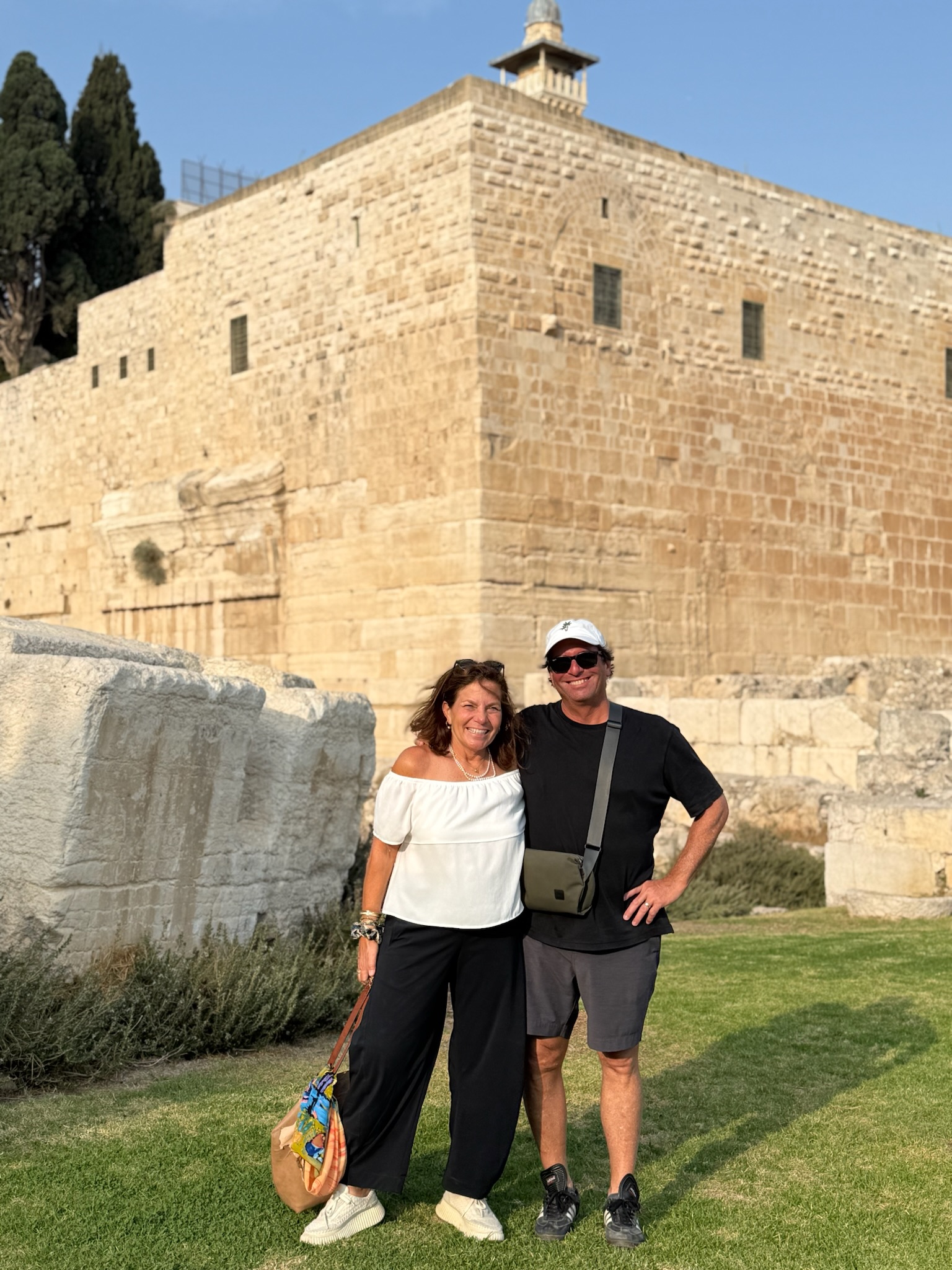
Best Historic Site Experience: The Southern Wall of the Temple
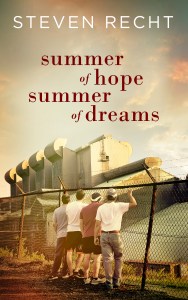 latest book, Summer of Hope, Summer of Dreams, was launched yesterday! (see sidebar to the right to purchase–yes, a self-serving plug, there). The book was just put out for public consumption, but it was a long time in the making–made even longer due to some delays beyond my control. The title is a metaphor for the subject matter of the book, and is a play on a Springsteen song title, Land of Hope and Dreams–also in the book.

